
Mine reclamation: how today’s mine sites drive long-term sustainability
January 27, 2026
Mine reclamation is an arduous process, often taking decades to complete. All modern copper mines in the US operate under strict reclamation requirements, varied by location and jurisdiction. Reclamation is often a continuous process that occurs throughout the life of a mine, not just at its closure. The primary objectives are to promote biodiversity conservation, provide social and economic benefits to local communities, and restore the mined areas to a state of environmental sustainability.
The future of mining depends on sustainable operations to ease mine reclamation and improve environmental impact. A recent study concludes that more copper will be mined over the next 32 years than all of previous history. As the global copper industry sits at near-exponential growth, mines must minimize long-term impact on the environment by utilizing sustainable mining operations, such as Nuton’s nature-based bioleach technologies.
Introduction to mine reclamation
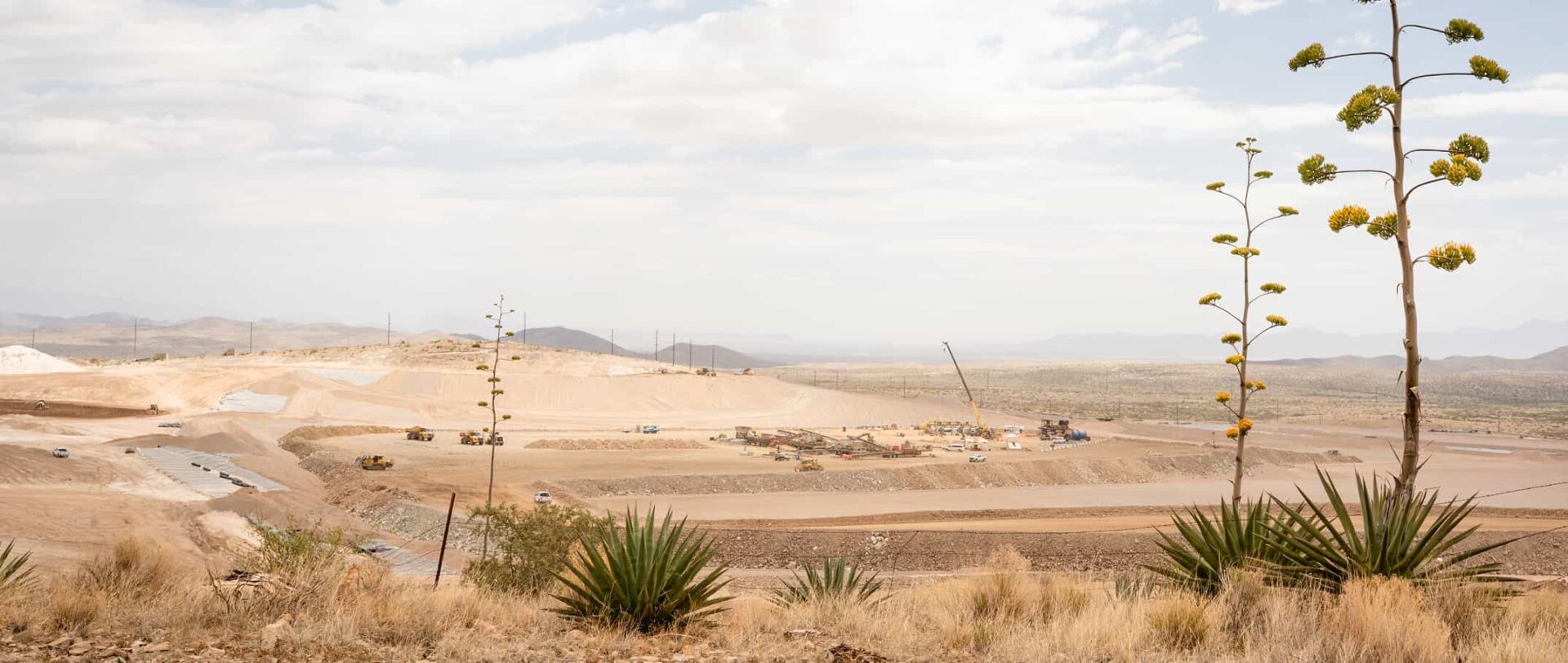
What happens to a mine once it closes? Is it left as a barren, abandoned site, or can it be restored to a healthy ecosystem? The answer lies in mine reclamation – a process that breathes new life into former mining sites, restoring them to stable, productive landscapes.
Mining has played a crucial role in economic development for centuries, supplying essential materials for various industries worldwide. However, the environmental impact of mining – such as land excavation and water use – cannot be overlooked. Mine reclamation offers a practical and necessary solution, helping to reduce or even reverse these impacts.
Mine reclamation, also known as land rehabilitation, is the process of restoring a former mine site to an environmentally-sound state. It’s not just about improving the landscape; it goes as far as rehabilitating ecosystems and ensuring long-term environmental stability. By implementing responsible reclamation, the mining industry moves toward a future of minimal impact operations.
By implementing responsible reclamation, the mining industry moves toward a future of minimal impact operations.
How mine reclamation works
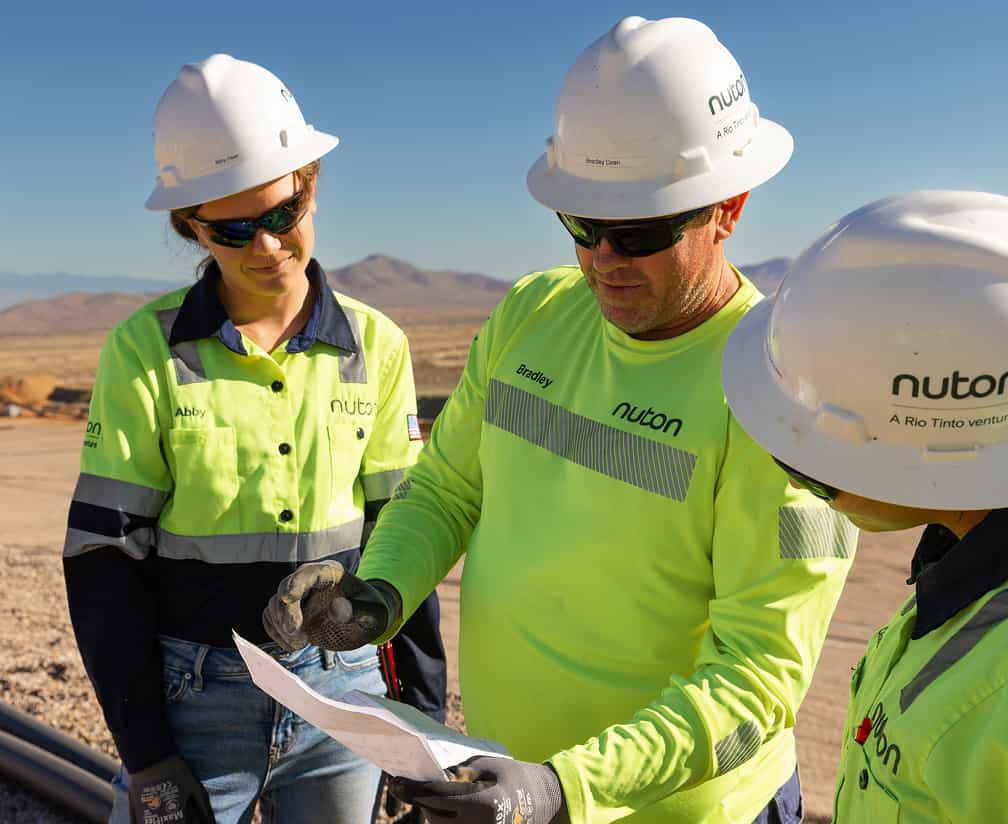
Mine reclamation begins long before mining operations begin. Companies, including Rio Tinto and Nuton, develop detailed plans to ensure land rehabilitation includes reshaping the land, treating water bodies to remove contaminants, restoring topsoil, and reintroducing native vegetation.
Modern reclamation goes even further. Efforts include creating wetlands, restoring streams, and repurposing land for community use, such as parks or agriculture. These initiatives not only heal the environment but also provide lasting social and economic benefits.
Regulations and laws: SMCRA
In the United States, mine reclamation is governed by strict regulations. The most significant of these is the Surface Mining Control and Reclamation Act of 1977 (SMCRA), which sets standards for post-mining land restoration. SMCRA requires mining companies to plan for reclamation before operations begin and secure financial bonds to ensure that restoration is completed.
This law has been instrumental in mitigating the environmental impact of mining, particularly in coal operations. Additionally, state-level regulations complement federal laws, ensuring that reclamation efforts are tailored to each site’s specific needs and environmental conditions.
Mine reclamation challenges and innovations
While mine reclamation is essential, it comes with challenges. Restoring native ecosystems is complex, requiring careful planning and long-term monitoring. Issues such as soil erosion, land instability, and habitat loss demand innovative solutions.
Fortunately, advancements in technology make reclamation more effective. Cutting-edge soil stabilization techniques and bioengineering innovations address these challenges head-on. Through ongoing research, industry collaboration, and sustainable mining practices, mine reclamation is becoming more efficient and impactful.
Sustainable mining to support mine reclamation
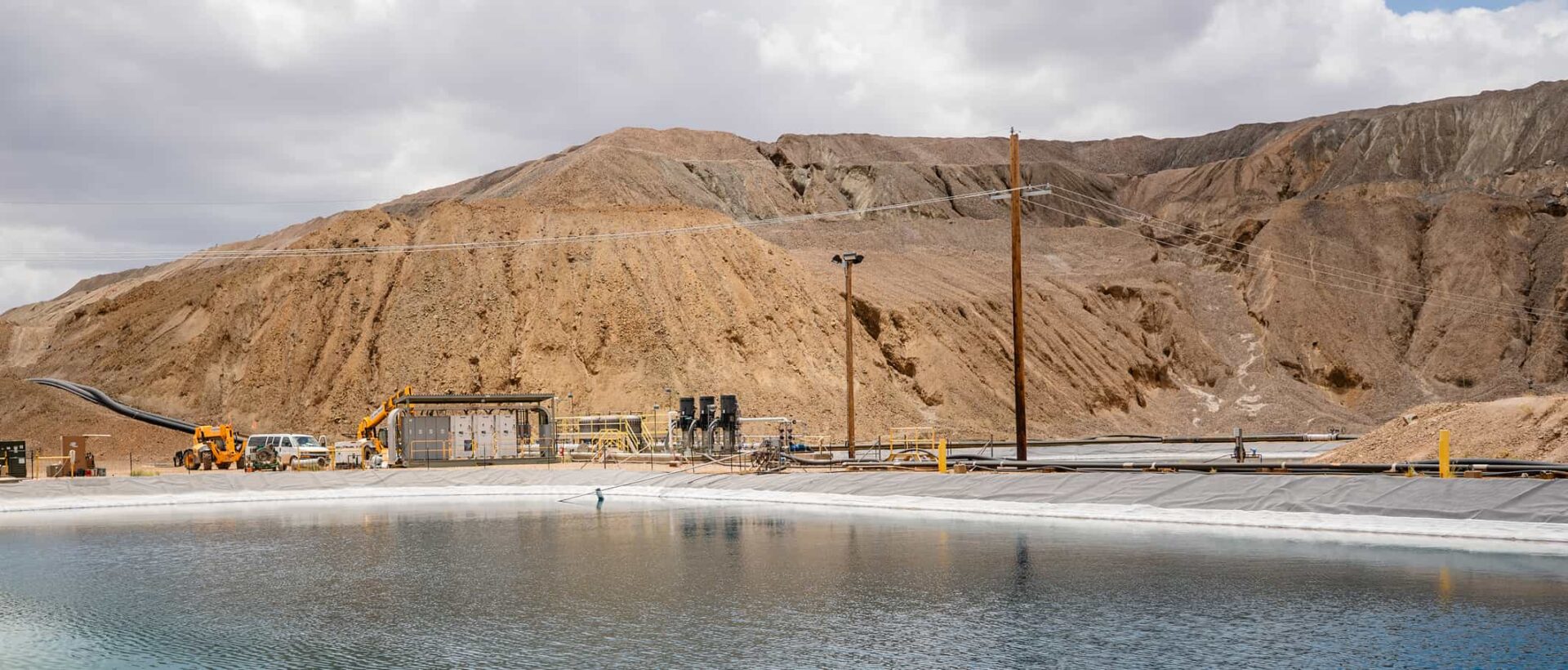
The future of sustainable mining depends on responsible land rehabilitation.
Nuton mining partners benefit from nature-based bioleach technologies to mitigate environmental impact and ease mine reclamation, Nuton’s sustainable mining technology helps process waste materials, accelerate copper leaching, reduce environmental footprint, and eliminate use of concentrators, refineries and smelters.