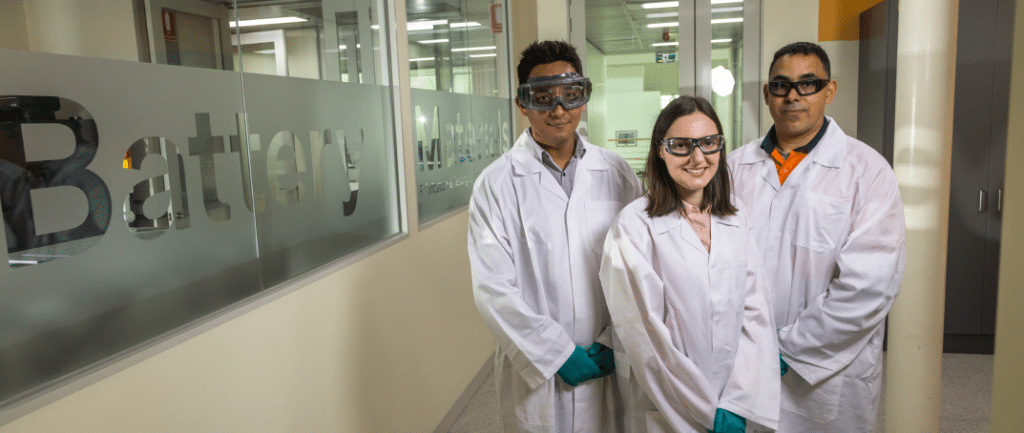
A penny for your thoughts? Not without copper. Copper is an essential metal that serves seemingly endless purposes in the modern world—often unnoticed but indispensable. Batteries. Pipes. Wiring. And, yes, pennies. The metal exists almost everywhere. Its versatility can be found in things as ubiquitous as jewelry and electronics to advanced lifesaving medical equipment, making it a true cornerstone of everyday life.

Copper is more ubiquitous than ever, making sustainable mining practices pivotal to ensuring continued availability and reducing environmental impacts. Ventures like Nuton are so important to the future of copper mining, utilizing technologies like bioheap leaching that simultaneously help meet the massive demand for copper while minimizing environmental impact.
How Copper is Used in Our Daily Lives
Imagine a typical day; as you brew your coffee, copper pipes ensure that water flows safely through your coffee maker, delivering your morning buzz. During your morning commute, the car’s electronics and motors rely on copper to power the engine. Smartphones and computers, containing intricate copper circuitry, keep you connected to the world. The electrical grid and telecommunications network – even the satellites orbiting Earth – all rely on copper wire and components to connect calls. Later, as you prepare dinner, copper cookware evenly distributes heat to your food. From dawn to dusk, copper presents itself in countless ways. This reddish-brown metal appears in ways you might not immediately recognize.

Top Uses for Copper
Copper finds myriad applications across various industries due to its unique properties. Its conductivity, durability, malleability, and antimicrobial nature make it indispensable to many industries. Here are some key ways copper is used across different sectors:
Reliable Power Transmission in Electrical Applications
Copper provides the foundation for power transmission systems; it is a premier conductor of electricity, second only to silver. Its extensive application in copper wire, transformers, and electrical grids ensures the seamless flow of energy, which is vital for powering our communities.
Moreover, copper’s role extends to the intricate circuitry of printed circuit boards (PCBs) within electronic devices, where its conductivity allows efficient energy transfer and reliable performance. Copper is even essential in components used by electrical engineers, like busbars, electric motors, switch gears, and circuit breakers.
Antimicrobial Control, Power Transmission, and Radio Frequency Shielding in Medical Application
Copper is a crucial element in the medical field, serving multiple purposes. Its antimicrobial properties make it useful for creating surfaces that aid in infection control within healthcare settings; some hospitals are starting to adopt antimicrobial copper touch surfaces to help create sterile environments.
Additionally, copper’s durability and biocompatibility make it an optimal choice for crafting medical instruments and tools. Copper circuitry delivers power to medical electronics, contributing to their functionality and reliability.
Furthermore, in advanced medical technologies like MRI rooms, copper is sometimes utilized in radio frequency shielding that lines the walls and ceilings. Copper even helps power active implantable medical devices, extending the lives of millions.
Thermal Conductivity and Energy Conversion in Industrial Machinery
Copper’s properties lend themselves to crucial applications in industrial machinery and enhance efficiency in various industrial processes. Delocalized electrons within copper’s solid lattice structure have the freedom to move unrestricted, effectively transporting heat. This unique property transforms copper into a highly efficient conductor, facilitating heat flow across its surface. This exceptional thermal conductivity makes it indispensable in regulating temperature in heat exchangers.
Copper plays a pivotal role in electric motors and generators, facilitating efficient energy conversion and powering essential machinery for production and operation. Copper enables countless industrial machines—hydraulic presses, mills, cement mixers, and high-power lasers—to operate more efficiently.
Longevity and Weather-Resistance in Construction Materials
Copper is a versatile construction material with numerous applications. Copper pipes ensure durable and reliable plumbing systems, while copper roofing materials provide weather-resistant solutions that protect structures and enhance architectural aesthetics. Copper does not rust, but it will develop a patina and darken over time when exposed to the elements. Due to its malleability and corrosion resistance, the metal is utilized in architectural elements like railings and gutters. Its applications extend to artistic sculptures and, statue building. We can all name at least one very famous and iconic statue made from copper.
Other Applications: Jewelry, Tools, Musical Instruments, and More
These top uses for copper only scratch the surface. There are seemingly endless applications for copper, ranging from jewelry-making to tool manufacturing. Its aesthetic appeal and durability make it ideal for crafting intricate designs and sturdy equipment like cookware and heat sinks. In musical instruments, copper alloys like brass contribute to creating distinctive tones, enriching musical experiences. Copper is also important for currency production and textile manufacturing.
Sustainable Copper Mining Facilitates a Better Future
As demand for copper increases, it becomes crucial to ensure our access to copper is sustainable. Innovations in mining technologies, such as those pioneered by Nuton, are at the forefront of this endeavor, striving to meet the growing demand for copper while minimizing its ecological footprint.
To discover more about Nuton’s transformative technologies and their impact on the industry, delve deeper into the Nuton process and explore the possibilities for a sustainable future.
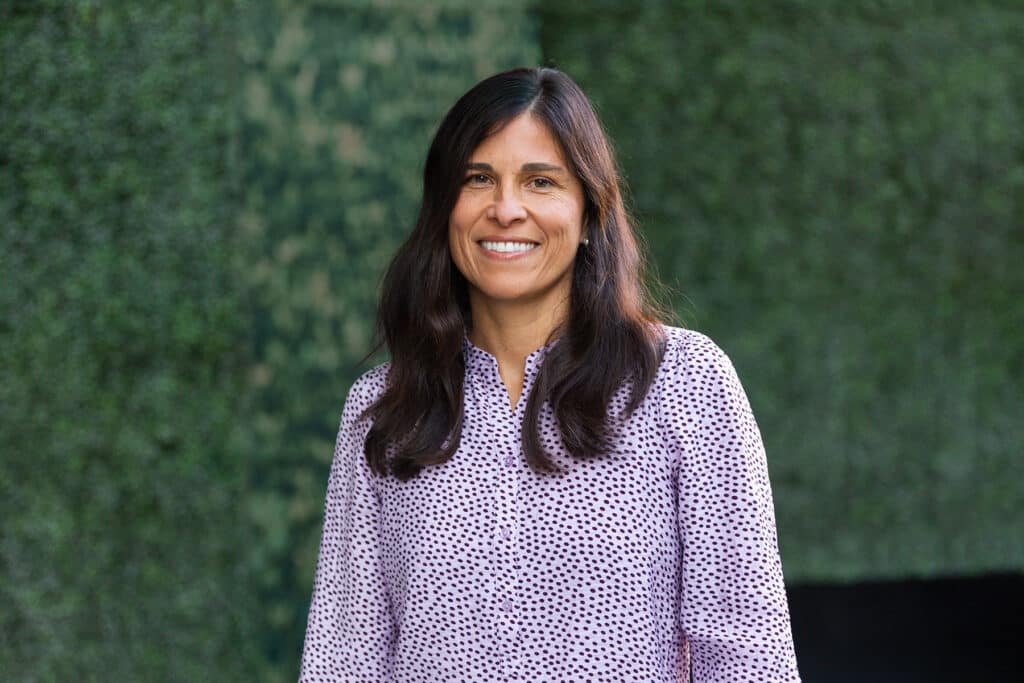
“News stories of hurricanes and wildfires, droughts and floods are everywhere. It’s easy to feel paralyzed or give up.” Despite the headlines, Cecilia Perla is optimistic. “We need to pay attention to the problem, but also direct our efforts into action rather than despair.”
She’s spent over a decade reshaping copper analysis and decarbonization, and contributing her expertise to governments, universities and NGOs worldwide. And as the United Nations recognizes World Environment Day this June, there’s no better time than now to be enthusiastic about the future of ecosystem restoration.
U.N. Sustainable Development Goals (SDG) Applied to Copper Mining
Perla, the Sustainability VP for Nuton Technologies, sees good things ahead. “We need to double down on humanity’s capacity to change, our creativity and what Hannah Ritchie calls ‘pragmatic optimism’,” she says referring to sustainability data scientist, researcher and author of the 2024 book, Not the End of the World: How Can We Be the First Generation to Build a Sustainable Planet. Recognized by Bill Gates as “eye-opening and essential,” Ritchie’s book points to progress made in lowering carbon emissions, deforestation and air quality. “She’s a glass-half-full type of person, just like me.”
Though for Nuton this is a year-round effort, the U.N.’s World Environment Day in June provides an opportunity to showcase how the mining industry — historically associated with environmental degradation — can become a key innovator for ecosystem restoration.
Nuton’s heap leaching technology, in particular, is a source of great hope in the efforts to find new ways to produce copper with a lower environmental footprint. Nuton embraces a ground-up-to-global mindset for copper extraction driven by a company ethos of sustainability and alignment with the United Nations’ sustainable development goals.
“We must have a vision of what the post-mining land use for the site is and how we get there,” says Perla referring to Nuton’s ambition to accelerate opportunities for land restoration, one of the five pillars of Positive Impact Strategy. “In the big scheme of things, mining is a temporary land use. We should keep an open mind about what it can become once mining concludes.”
Along with land, Nuton’s Positive Impact Strategy encompasses four additional pillars—water, energy, materials, and society. “This year, we are seeing Nuton germinate, having announced the first industrial-scale deployment of our technology at the Johnson Camp Mine, owned and operated by our partner Excelsior Mining,” Perla says. “We will have more exciting news to share as we mature as a venture and show our partners and the market the full value of Nuton technologies.”
The World Environment Day 2024 Motto: #GenerationRestoration
This year’s World Environment Day focuses on land restoration, desertification and drought resilience under the slogan, “Our land. Our future. We are #GenerationRestoration.”
The United Nations sponsors World Environment Day to encourage worldwide awareness and action to protect our environment.
Since 1973, World Environment Day has been the largest global platform for environmental public outreach. Its mission reads, “To keep global warming below 1.5°C [34.7°F] this century, we must cut annual greenhouse gas emissions in half by 2030. Without action, exposure to air pollution beyond safe guidelines will increase by 50 percent within the decade, and plastic waste flowing into aquatic ecosystems will nearly triple by 2040.”

The Future of Sustainable Copper Mining Is Gaining Traction
Nuton is right in line with #GenerationRestoration, this year’s motto for World Environment Day. According to Perla, “Nuton is built on this spirit. Here’s a new technology unlocking opportunities to meet copper demand with a much lighter footprint and less stress on our planet than conventional copper processing technologies.”
As for the future of sustainable copper mining? It´s on its way. Here’s how Nuton’s heap leaching technology already alleviates environmental impact and increases profits.
Lighter Environmental Impact to Meet Copper Demand
It’s simple, according to Perla. “Nuton exists because we need to produce more copper, but we need to do it more sustainably. We focus not only in the what, but also on the how copper is produced.”
“The vast majority of copper comes from primary sulfides, which traditionally go through a process of concentration, smelting and refining,” she says. “Nuton technologies provide an alternative to leaching copper sulfide ores with the help of our carefully cultivated bacteria and unique catalysts and reagents.”
Stronger Economic Impact for Sustainable Copper Mining
Nuton’s ambition to produce copper with a lower carbon footprint, while conserving water, energy, and costs, aligns with the goals of World Environment Day.
World Environment Day 2024 is just one day this summer. But thanks to Perla and the Nuton team, ecosystem restoration and conservation is an everyday ambition.
Thirty minutes north of Melbourne, the second largest city in the Land Down Under, sits the Bundoora Technical Development Centre, the center of innovation for Nuton’s groundbreaking technology.
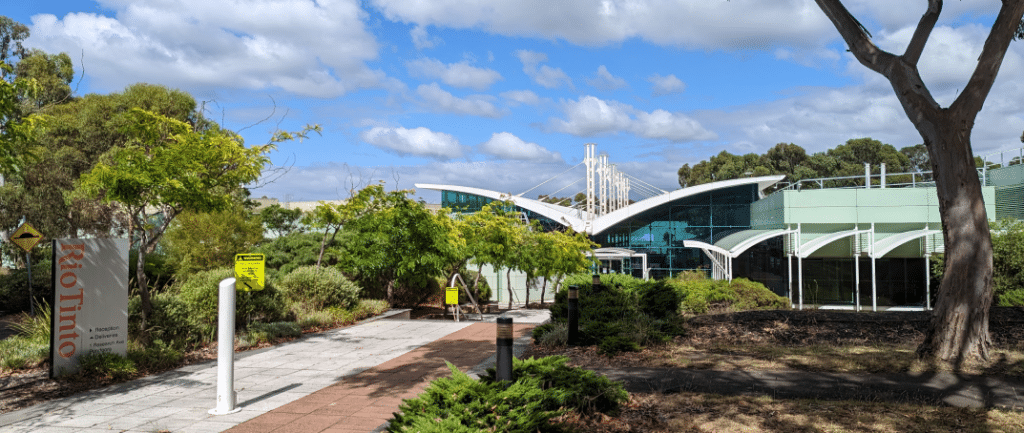
Surrounded by a lush gathering of trees and close enough to the Australian coast to feel a slight ocean breeze, the Technical Development Centre, known simply as Bundoora by Nuton and Rio Tinto teammates, is located in a beautiful spot.
“People drive through the gate in the morning, and they can’t help but be relaxed and inspired,” says Jared Osborne, General Manager of Technical Development at Rio Tinto. “Kangaroos are hopping around, the occasional big rabbit, some foxes. It’s really quite something.”
Jared says he feels even more energized when he sees the world of immense growth and possibility happening inside Bundoora.
Teams of dedicated scientists, like Jared, have already come so far and achieved so much in nearly 30 years of research and innovation at Bundoora. Back in the early 1990s, Rio Tinto executives at our Kennecott operations in Utah were looking for a solution that could minimize the amount of wasted ore bodies that were unsuitable for traditional processing. The waste was burdensome, economically unviable, and importantly—with notable implications on the environment.
In 1996, a small group of scientists working at Bundoora took a huge leap forward, finding a copper leaching technology that could extract premium quality copper with less water usage and a much smaller carbon footprint. That solution is at the heart of our new Rio Tinto venture, Nuton.
“This was a major breakthrough for a metal that we absolutely need as part of the energy transition. Copper is so vital to it,” says Jared, who joined Bundoora in 1997. “We can make a significant impact on global emissions and the legacy we leave behind with a nature-based solution.”
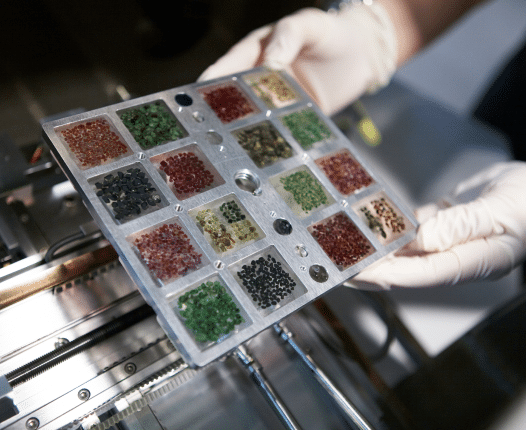
Over the years, technology and innovation milestones have stacked up at Bundoora. From those first tests in 1996 to small and large column tests in 2006 to a pilot plant in 2012, Bundoora teammates have seen the Nuton technology evolve and ramp up significantly.
Next is to deploy this technology on a large scale, where it can truly create a positive impact on the world. It’ll be an exciting challenge, made possible by the team at Bundoora comprised of some of the brightest minds in the field.
With a diverse team of experts from all over the world, celebrating each other’s culture and championing inclusion are major aspects of the magic at Bundoora. It’s common for teammates to bring in traditional food from their homeland to share with everyone at lunch and for all to truly get to know each other on a personal level.
Those kinds of things are organic and frequent at Bundoora.
“We’ve recruited the best in the world for over 30 years and we’ve ended up with a magnificent mix of people,” says Jared. “It really does feel like a family.”