
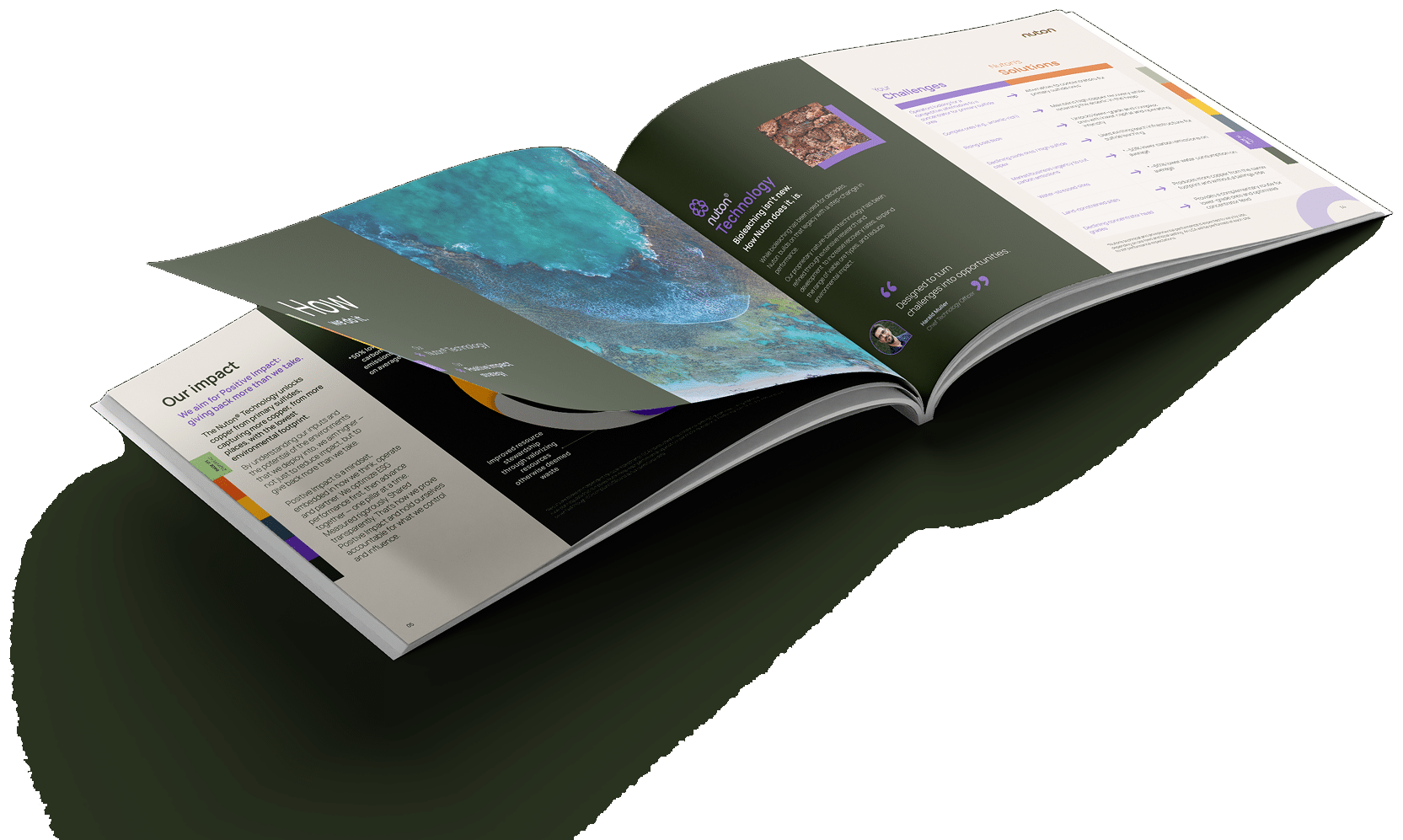
Nuton is revolutionizing copper production. The 2026 “Copper, by Nuton” report reveals an exclusive look at the technical benchmarks and strategic milestones that are setting a new standard for copper production. Access the report to learn how we are leveraging a pioneering technology, a new commercial model and aspirations to produce copper with the lowest environmental footprint in the market.

Nuton plays two key roles: technology provider and investment partner
“Copper, by Nuton” reveals how solid innovation can lead to real-world results. As a technology provider and investment partner, Nuton works collaboratively with mine sites to unlock more copper, faster, with a lower environmental footprint.
The full report highlights the pivotal transition as Nuton evolves from research to industrial-scale operations. At Gunnison Copper Corp.´s Johnson Camp Mine in Arizona, we successfully demonstrated the power of the Nuton® Technology with a 75x scale-up. Today Nuton is engaged in 8 active partnerships across 4 countries with Nuton team members working to launch our award-winning mining venture.
The Nuton difference: bioleaching for more copper and less impact
How exactly does our proprietary bioleaching technology work? How does it leverage the power of naturally occurring bacteria to unlock critical resources? “Copper, by Nuton” details how Nuton has the potential to recover up to 85% of copper from complex ores while significantly reducing water and energy consumption.
Nuton is not a single-ingredient solution. We are a systems integrator. We bring every component together, optimizing our technology for the ore, the site and the partner, to deliver value from ore to impact.
Access the full “Copper, by Nuton” report
Get a behind-the-scenes reveal at our Positive Impact aspirations, operational roadmap, proof-of-concept data and “Positive Impact” pillars. Learn more about how Nuton is turning previously inaccessible materials into the building blocks of a more sustainable economy.
Nuton, a Rio Tinto venture, is redefining what’s possible in sustainable mining. Over the next three years, Nuton has committed to purchasing 134,000 Green-e Energy-certified Renewable Energy Certificates (RECs) generated from US renewables. By combining proprietary bioleaching technology and investment in renewable energy, Nuton is positioning Gunnison Copper Corp.’s Johnson Camp Mine (JCM) to be the lowest-carbon copper producer in the U.S.
“Nuton’s investment further strengthens our ambition to produce the lowest-carbon copper while bringing copper to market faster and more efficiently,” says Nuton Interim Chief Executive Officer Cecilia Perla.
Nuton commits to Renewable Energy Certificates investment
Central to Nuton’s mission is its Positive Impact commitment. This achievement isn’t just a milestone; it is a blueprint for the future of industry – proving that copper production can be smarter, cleaner, and more efficient.
The purchase of these RECs generated from US renewables over the next three years further proves this pledge. These RECs:
- Corresponds to one megawatt-hour of renewable electricity delivered to the grid
- Ensure that 100% of JCM’s electricity consumption is matched by renewable generation
- Mitigate Scope 2 emissions
- Help produce low-carbon intensity copper
A Renewable Energy Certificate is a market-based instrument that represents the legal property right to the renewable attributes of electricity generation. For every megawatt-hour of clean energy produced and sent to the power grid, one REC is created, allowing Nuton to formally track and claim the environmental benefits of its energy use.
“For every megawatt-hour of clean energy produced and sent to the power grid, one REC is created…”

Life Cycle Assessment confirms lower carbon footprint
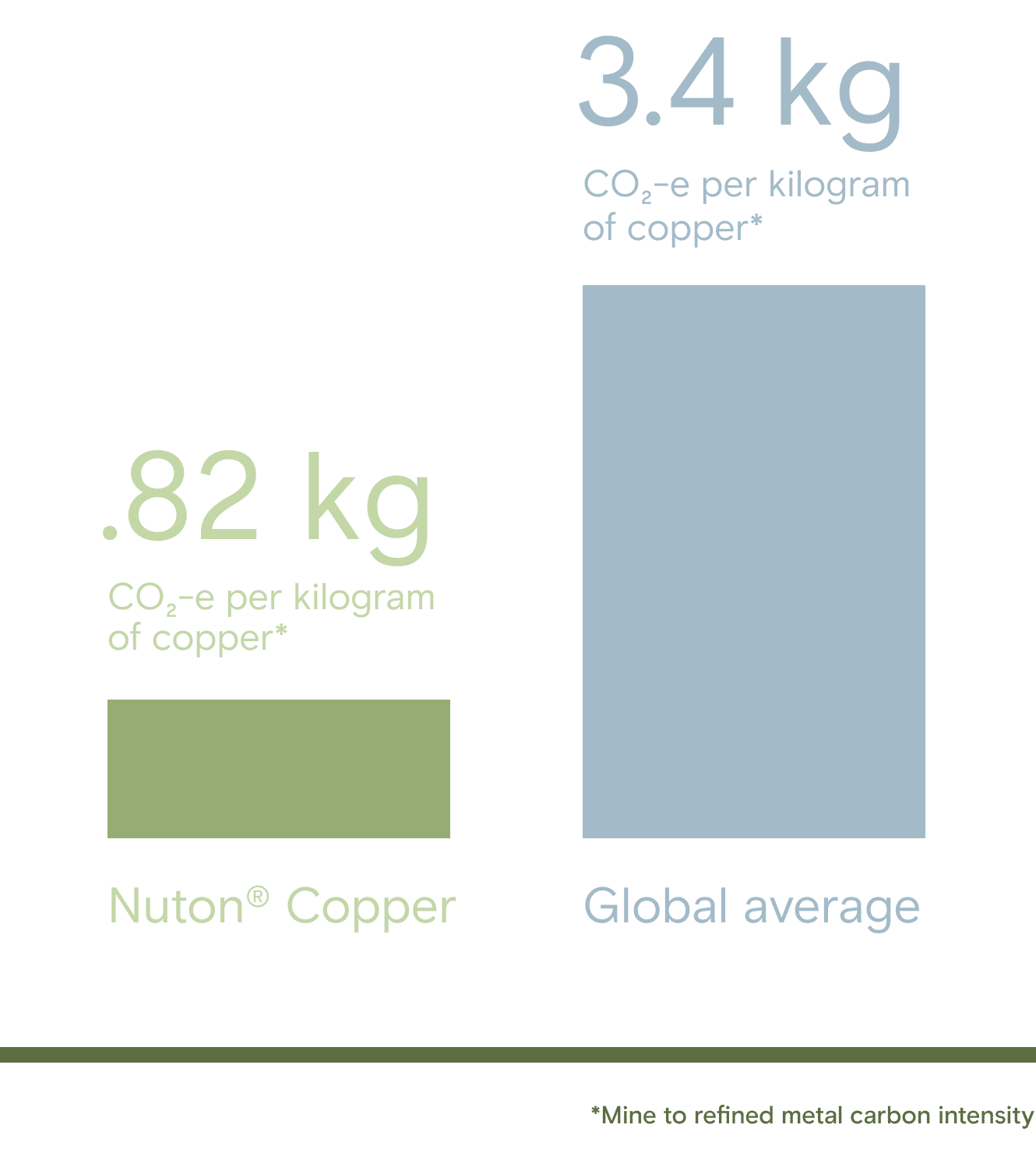
Nuton’s technology is delivering a high-quality product with a significantly reduced environmental footprint, and the results of this integrated approach are industry-leading. A recent ISO-certified Life Cycle Assessment (LCA) confirms that copper produced at Johnson Camp Mine – supported by Nuton technology and RECs investment – is expected to result in a carbon footprint of just 0.82kg CO2-e per kilogram of copper, measured by a “mine-to-refined metal” basis.
To put this in perspective:
- JCM Carbon Footprint: 0.82 kg CO2-e / kg Cu
- Projected 2026 Global Average: 3.4 kg CO2-e / kg Cu1
The LCA also estimates that JCM has a direct water consumption of 71 liters per kilogram of copper, a fraction of the 130 liters per kilogram of copper consumed at the typical copper mine.2
Ultimately, Nuton is proving that through biology, digital innovation, and renewable energy, the transition to a low-carbon economy can be powered by copper that is as responsible as it is essential.
- Skarn Associates Copper Mine GHG and Energy Intensity Curve Generator, November 2025 dataset for the year 2026. The E1 metric includes all GHG emissions from mine to refined metal.
- Water and carbon emissions intensities for Johnson Camp and global averages have been validated by Skarn Associates, a leading provider of carbon and water intensity curves for the industry.
Mine reclamation is an arduous process, often taking decades to complete. All modern copper mines in the US operate under strict reclamation requirements, varied by location and jurisdiction. Reclamation is often a continuous process that occurs throughout the life of a mine, not just at its closure. The primary objectives are to promote biodiversity conservation, provide social and economic benefits to local communities, and restore the mined areas to a state of environmental sustainability.
The future of mining depends on sustainable operations to ease mine reclamation and improve environmental impact. A recent study concludes that more copper will be mined over the next 32 years than all of previous history. As the global copper industry sits at near-exponential growth, mines must minimize long-term impact on the environment by utilizing sustainable mining operations, such as Nuton’s nature-based bioleach technologies.
Introduction to mine reclamation
What happens to a mine once it closes? Is it left as a barren, abandoned site, or can it be restored to a healthy ecosystem? The answer lies in mine reclamation – a process that breathes new life into former mining sites, restoring them to stable, productive landscapes.
Mining has played a crucial role in economic development for centuries, supplying essential materials for various industries worldwide. However, the environmental impact of mining – such as land excavation and water use – cannot be overlooked. Mine reclamation offers a practical and necessary solution, helping to reduce or even reverse these impacts.
Mine reclamation, also known as land rehabilitation, is the process of restoring a former mine site to an environmentally-sound state. It’s not just about improving the landscape; it goes as far as rehabilitating ecosystems and ensuring long-term environmental stability. By implementing responsible reclamation, the mining industry moves toward a future of minimal impact operations.
By implementing responsible reclamation, the mining industry moves toward a future of minimal impact operations.
How mine reclamation works
Mine reclamation begins long before mining operations begin. Companies, including Rio Tinto and Nuton, develop detailed plans to ensure land rehabilitation includes reshaping the land, treating water bodies to remove contaminants, restoring topsoil, and reintroducing native vegetation.
Modern reclamation goes even further. Efforts include creating wetlands, restoring streams, and repurposing land for community use, such as parks or agriculture. These initiatives not only heal the environment but also provide lasting social and economic benefits.
Regulations and laws: SMCRA
In the United States, mine reclamation is governed by strict regulations. The most significant of these is the Surface Mining Control and Reclamation Act of 1977 (SMCRA), which sets standards for post-mining land restoration. SMCRA requires mining companies to plan for reclamation before operations begin and secure financial bonds to ensure that restoration is completed.
This law has been instrumental in mitigating the environmental impact of mining, particularly in coal operations. Additionally, state-level regulations complement federal laws, ensuring that reclamation efforts are tailored to each site’s specific needs and environmental conditions.
Mine reclamation challenges and innovations
While mine reclamation is essential, it comes with challenges. Restoring native ecosystems is complex, requiring careful planning and long-term monitoring. Issues such as soil erosion, land instability, and habitat loss demand innovative solutions.
Fortunately, advancements in technology make reclamation more effective. Cutting-edge soil stabilization techniques and bioengineering innovations address these challenges head-on. Through ongoing research, industry collaboration, and sustainable mining practices, mine reclamation is becoming more efficient and impactful.
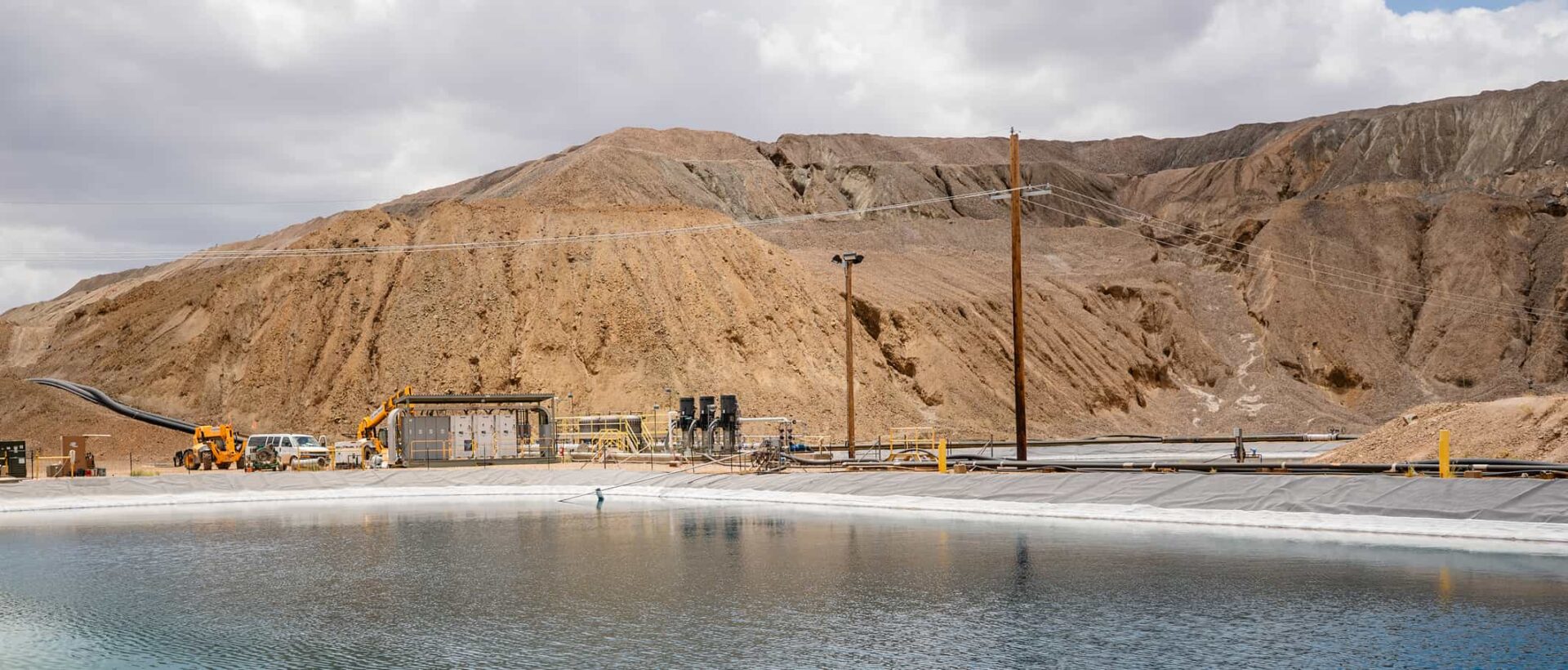
Sustainable mining to support mine reclamation
The future of sustainable mining depends on responsible land rehabilitation.
Nuton mining partners benefit from nature-based bioleach technologies to mitigate environmental impact and ease mine reclamation, Nuton’s sustainable mining technology helps process waste materials, accelerate copper leaching, reduce environmental footprint, and eliminate use of concentrators, refineries and smelters.
Copper is everywhere: in the wires that power our homes, the electronics we use daily, and the infrastructure that keeps the world moving. But how do we extract this essential metal in a way that makes sense for both the economy and the environment? Enter heap leaching, a smarter, cleaner, more efficient method of copper extraction that works hand in hand with traditional mining to maximize recovery while minimizing environmental impact. Nuton’s bio-heap leaching technology takes this process even further, using the power of bacteria to extract more copper with less chemicals and less impact on the earth.
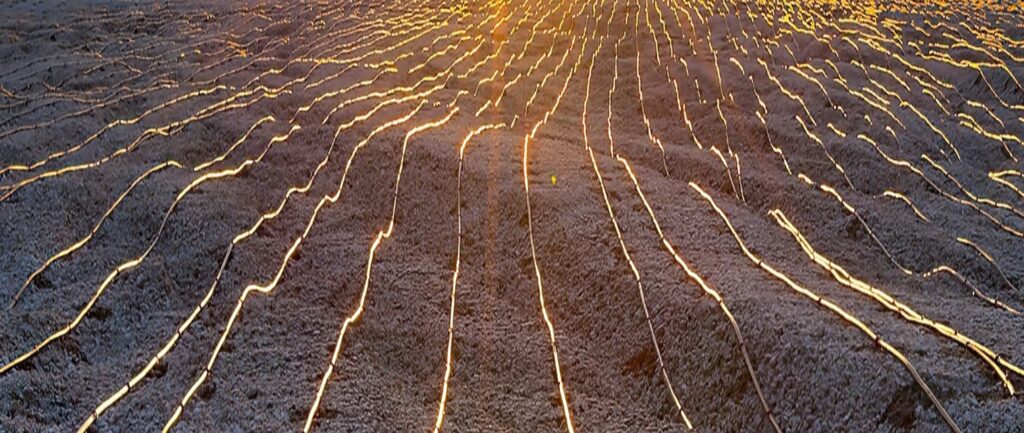
Chemical heap leaching: process and downsides
Chemical heap leaching has been around since the 1700s, and has since been widely adopted alongside—or in place of—traditional mining techniques. By trickling a sulfuric acid solution over heaps of crushed ore, miners can extract more copper at lower costs. This method is surface-based and uses impermeable liners to prevent contamination, making it an efficient choice for many operations.
But while chemical heap leaching is effective, it comes with trade-offs. The process relies on strong chemical solutions that must be carefully managed to prevent environmental damage. Plus, producing and handling these chemicals requires energy, adding to the overall footprint of the process. It’s a step in the right direction, but there’s a better way.
Bio-heap leaching: a superior and sustainable solution
What if we could harness nature to do the heavy lifting? That’s exactly what Nuton’s bio-heap leaching technology does. Instead of relying on harsh chemicals, it uses microorganisms—tiny but mighty—to break down copper minerals more efficiently. This not only reduces the risk of contamination but also cuts down on energy use, making it a cleaner, smarter approach.
And the benefits don’t stop there. Bio-heap leaching can recover up to 85% of copper from ores, which means more copper from the same volume of material. This process helps in reducing waste and making operations more cost-effective. It’s also incredibly versatile, working on challenging sites, including brownfield and legacy mining areas, where traditional methods struggle.
“Bio-heap leaching can recover up to 85% of copper from ores, which means more copper from the same volume of material. This process helps in reducing waste and making operations more cost-effective.”
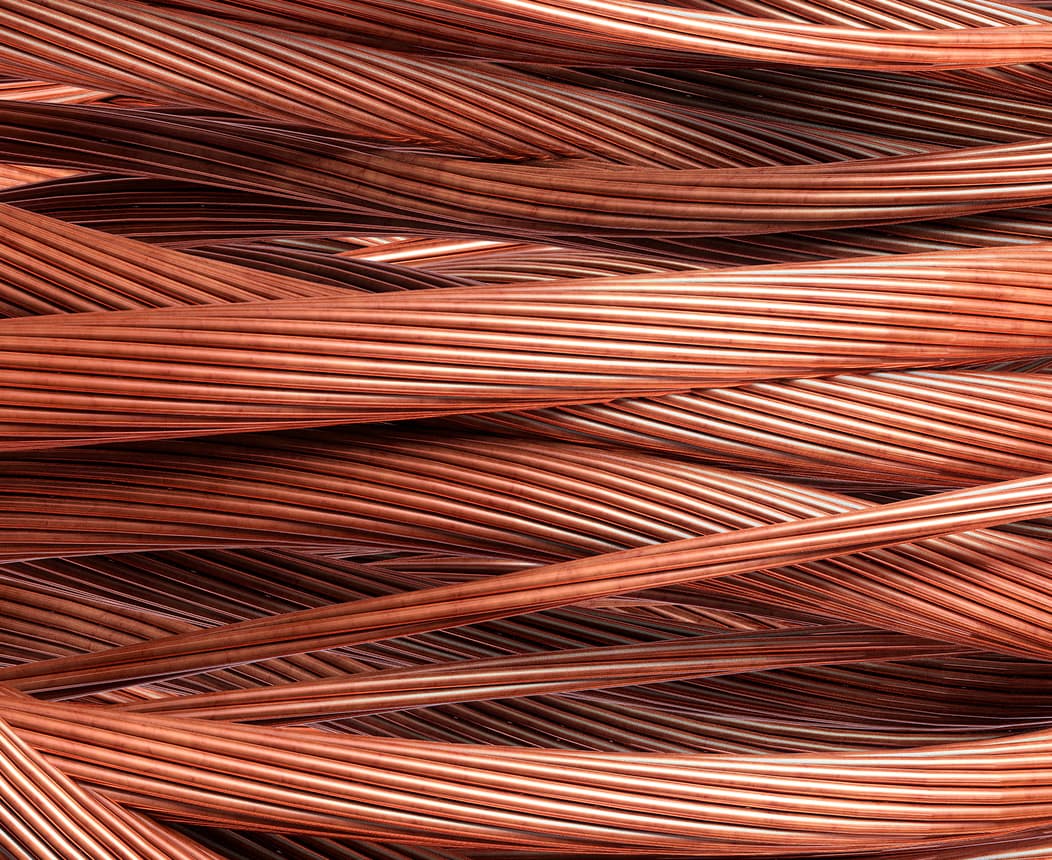
Paving the way in sustainable copper leaching
As the world’s demand for copper grows, so does the need for more sustainable ways to extract it. Nuton’s bio-heap leaching technology leads the charge, turning mining into a cleaner, more efficient process. While chemical heap leaching offers advantages, bio-heap leaching enhances them by improving recovery rates and slashing environmental impact.
Innovative leaching methods like these are paving the way for a future where mining and sustainability go hand in hand. And that’s good news for everyone.
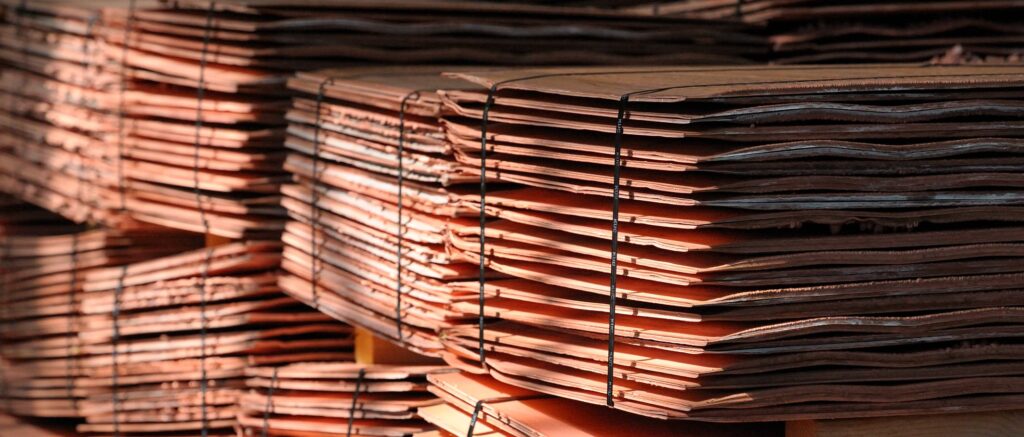
Nuton’s first copper milestone marks a new era of smarter, cleaner, copper production
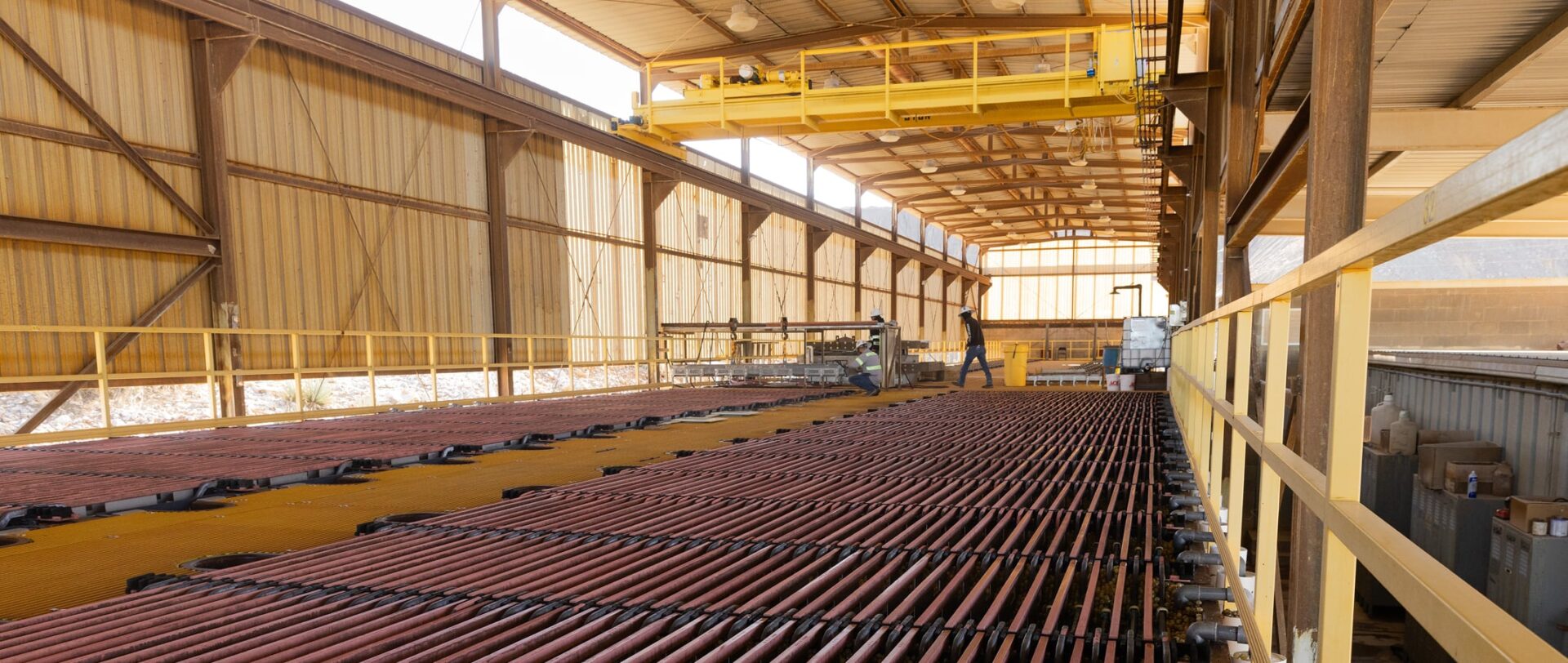
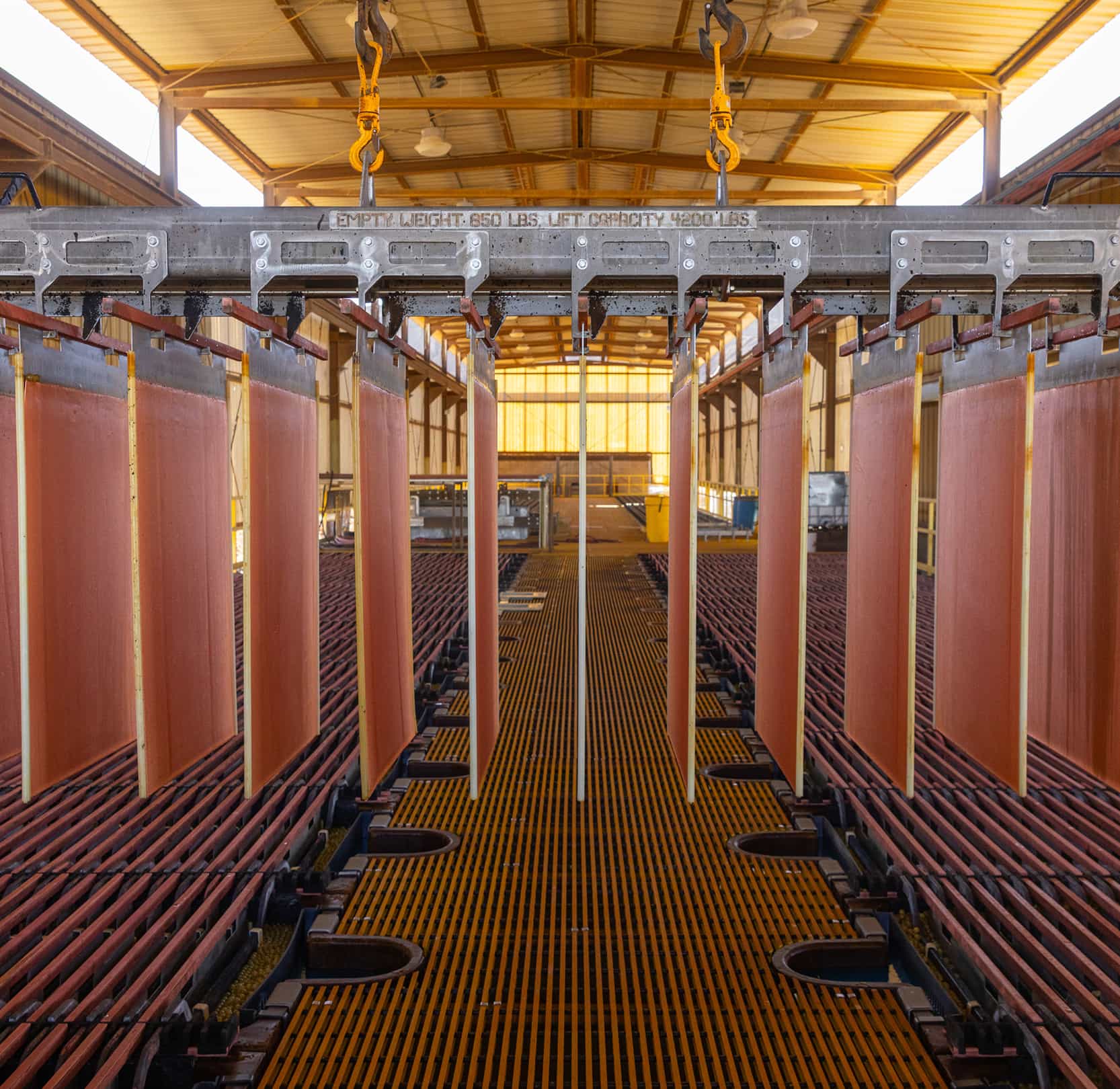
After decades of research and innovation, Nuton has achieved a major milestone: producing its first copper cathode using its industry-leading bioleaching technology at Johnson Camp Mine (JCM) in Arizona.
What began in a small lab in Bundoora, Australia, has scaled to full industrial operations – proving that cleaner, smarter copper production is possible at industrial scale.
“This is a pivotal moment for Nuton,” says Adam Burley, Nuton CEO. “We’re not just advancing technology – we’re setting a new standard for the industry and proving what’s possible: fast and at scale. We are incredibly proud of the team and excited for what is to come, which is validating and sustaining the technology’s performance.”
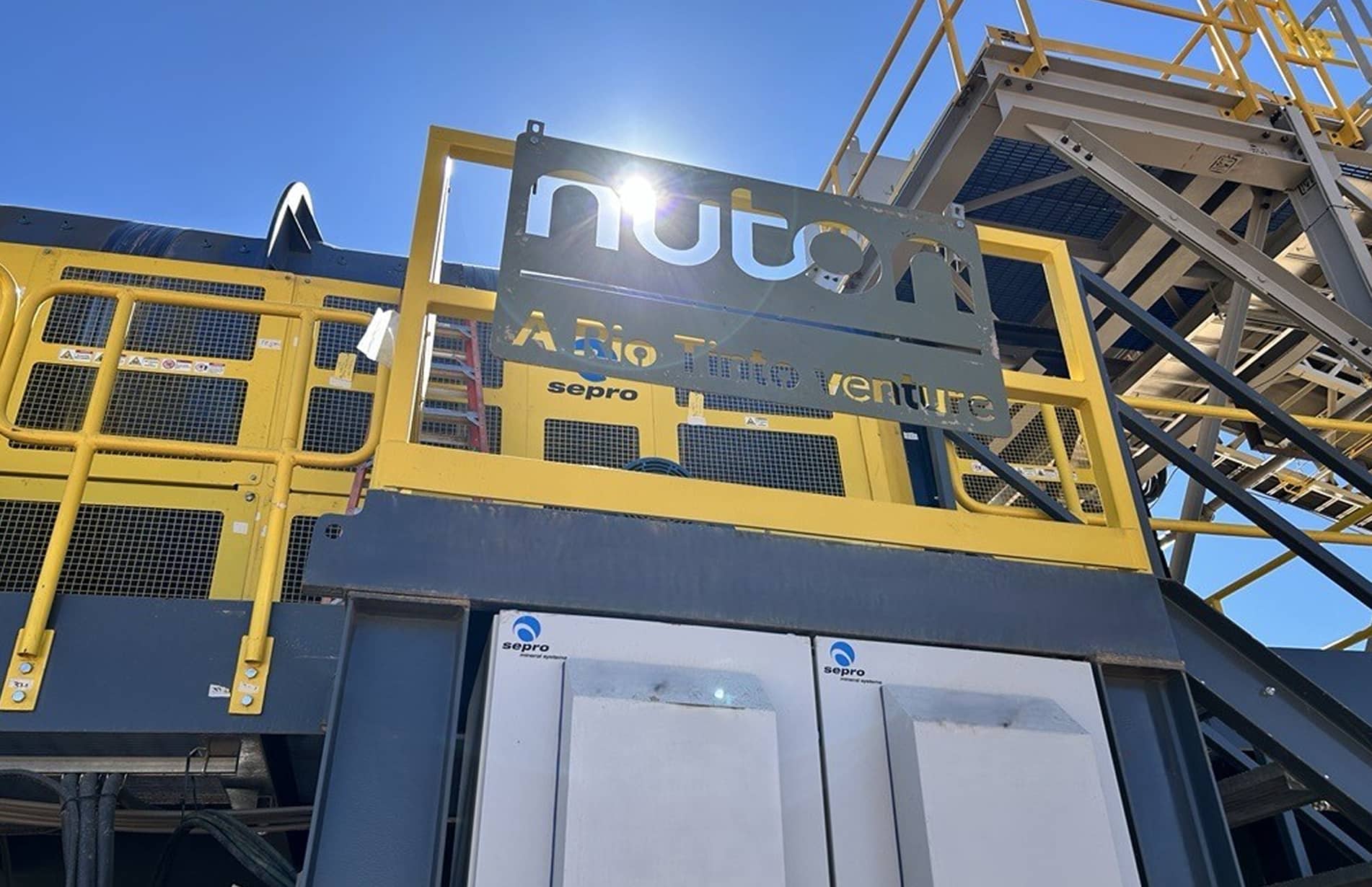
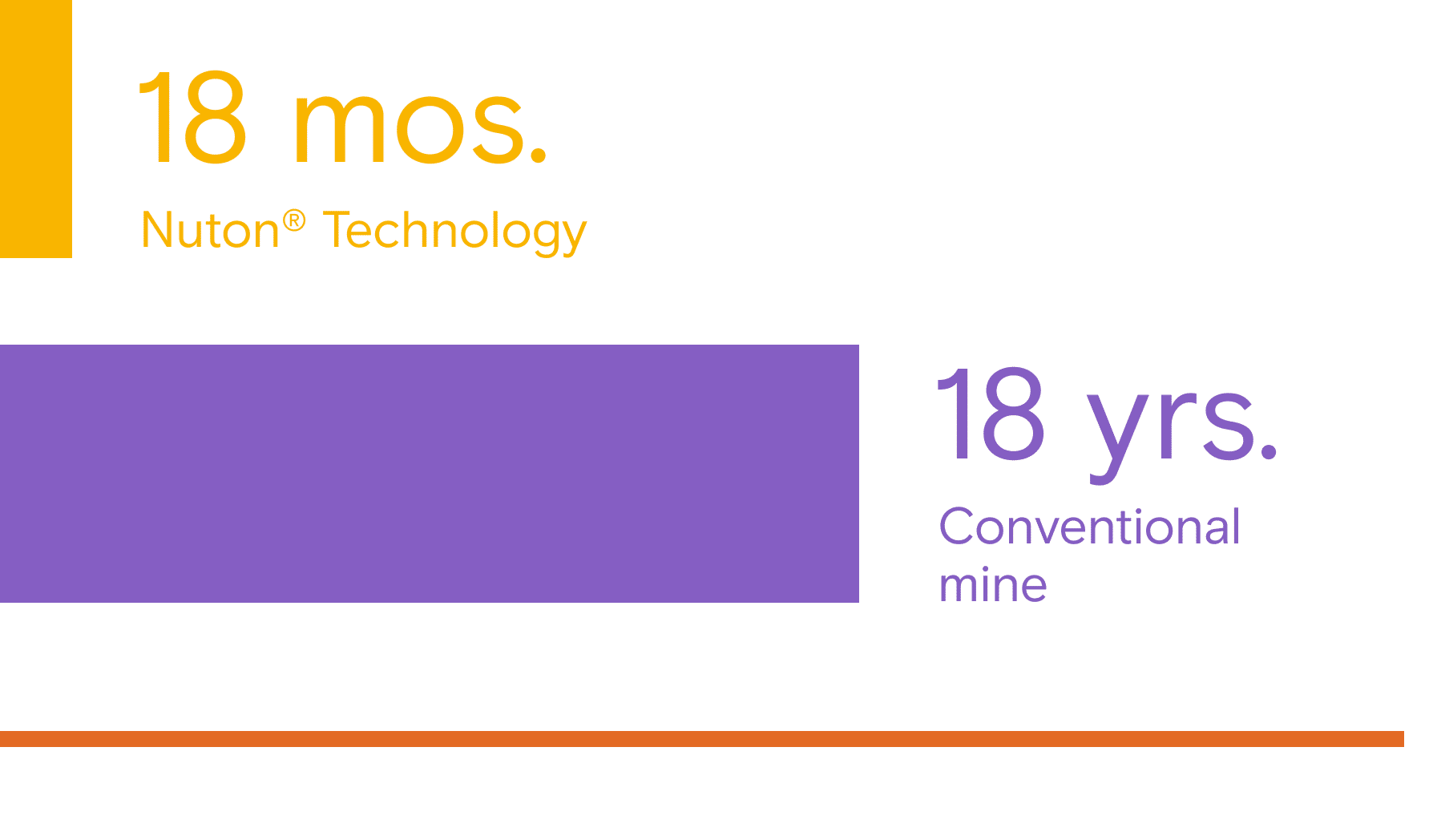
This milestone marks Nuton’s official entry into commercial operations and is a pivotal step in redefining how copper is produced. The Nuton® technology enabled the restart of JCM, owned by Gunnison Copper Corp, and moved from concept to cathode in just 18 months.
Go inside Nuton’s first copper
Watch how this milestone mine-to-market technology is reshaping the copper industry.
Rapid scale-up: concept to cathode in 18 months
One of the most significant aspects of Nuton’s achievement is the speed of its progress – from concept to cathode in just 18 months – an unprecedented speed in Rio Tinto. This included recommissioning the mine, constructing new infrastructure, and deploying proprietary equipment.
Nuton’s approach is different from the norm – offering a modular ‘brick-like’ system that can be deployed as part of a technology package that integrates biology with chemistry, engineering, and digital tools. By embedding advanced systems like AI, data analytics, and adaptive process controls into every layer of the JCM operations, Nuton is building a truly intelligent, responsive system. This digital backbone enables predictive insights and continuous improvement, making the system not only efficient but intelligent.
Pioneering the science of smarter copper: up to 85% recovery and unlocking copper faster
At the heart of this achievement is Nuton’s revolutionary technology, which harnesses the power of naturally occurring bacteria to extract copper from ores. These microbes are grown in Nuton’s proprietary bioreactors and then added to heaps of crushed ore. They speed up the breakdown of minerals, creating heat and allowing copper to dissolve into a liquid solution, which is then refined into copper cathodes that are 99.99% pure.
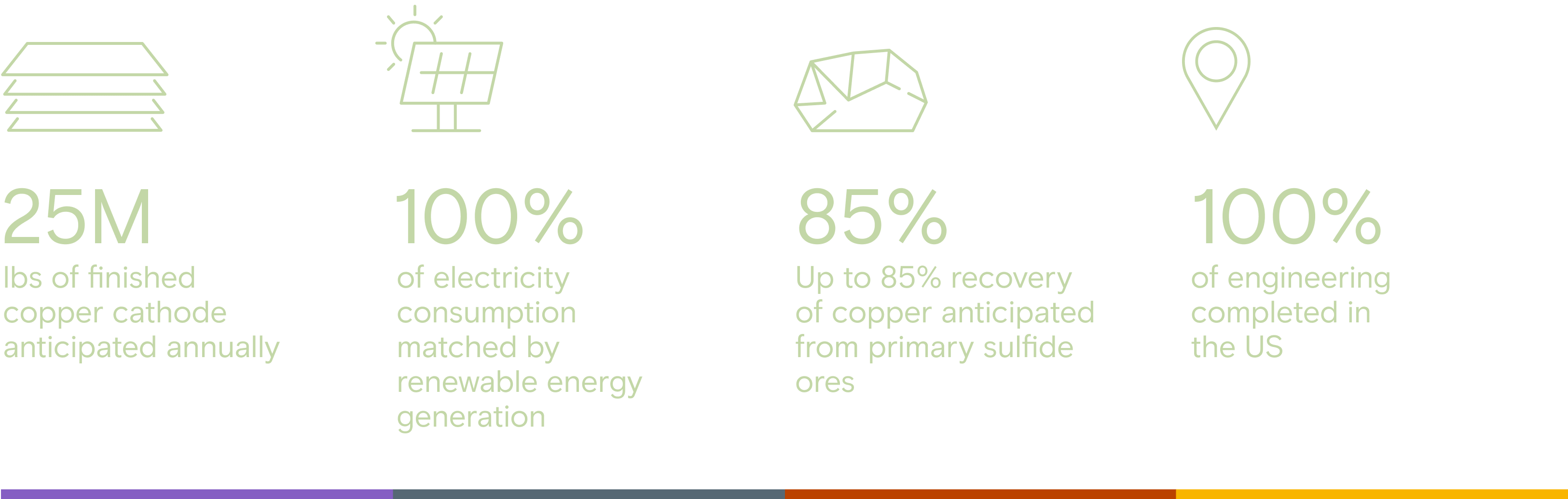
And a key differentiator? Up to 85% recovery of copper from primary sulfide ores – often considered too complex or uneconomical to process – where over 70% of the world’s untapped copper lies.

Transforming the copper industry with the lowest-carbon copper in the US
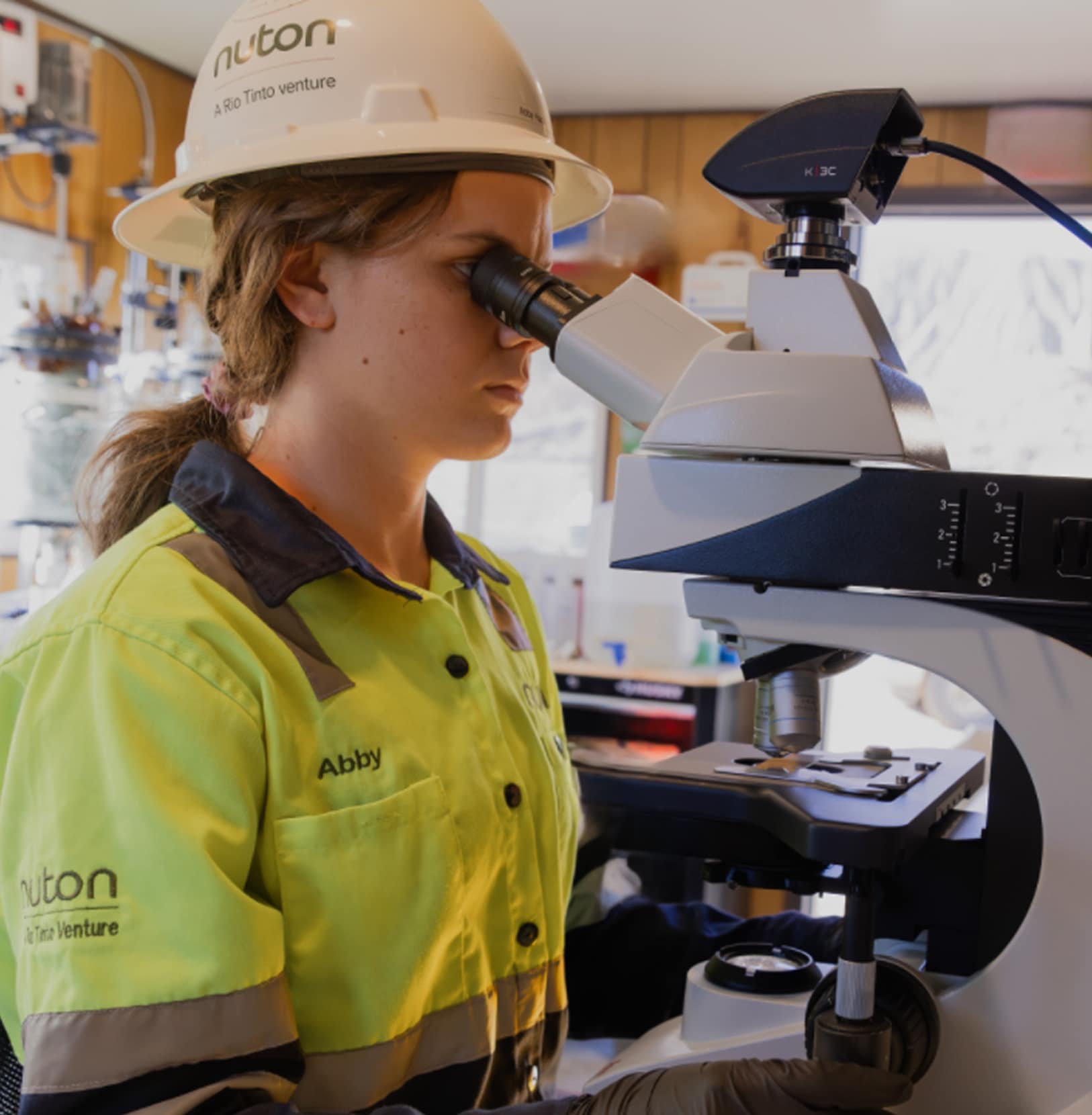
Nuton’s technology, along with investment in renewable technology, will position JCM to become the lowest-carbon copper producer among US copper mines.
A new three-year investment in Renewable Energy Certificates ensures that 100% of JCM’s electricity consumption is matched by U.S. or Canadian renewable energy generation, mitigating all Scope 2 emissions.
A recent ISO-certified Life Cycle Assessment (LCA) prepared for JCM indicates copper produced at site, combined with the purchase of RECs, will result in a mine-to-metal carbon footprint of just 0.82kg CO2-e per kilogram of copper, compared to the projected 2026 global of 3.4 kg CO2-e per kilogram of copper.
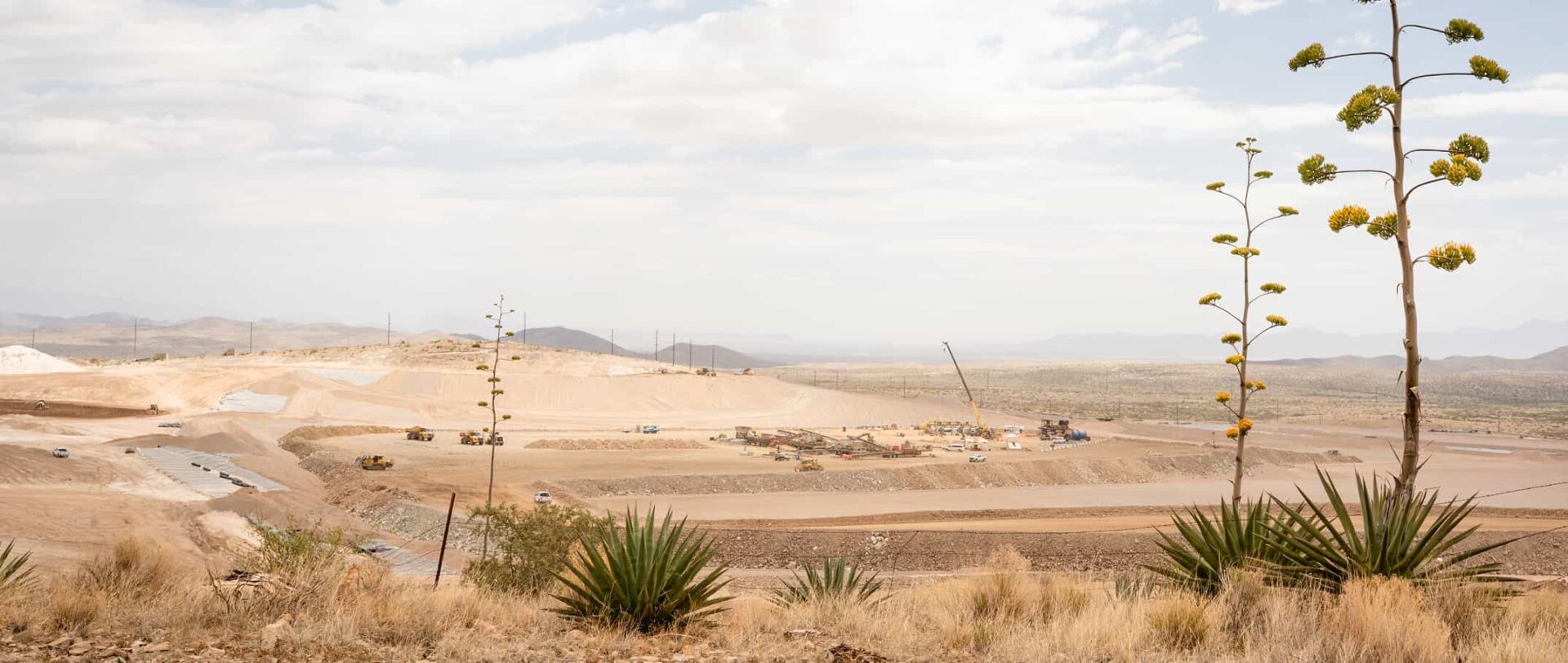
Centennial plant (Agave Americana) at JCM
First copper by the numbers
The big picture: closing the US copper supply gap
This milestone will help enable a more resilient domestic copper supply chain – critical for the world’s energy transition, national defense, and advanced manufacturing. With US copper demand projected to grow more than 48% over the next decade, and approximately half of refined copper currently being imported, the Nuton technology provides a pathway to help close the domestic supply gap.
By producing the copper cathode at the mine site, the Nuton process eliminates the need for smelting and refining elsewhere – a major advantage as the US lacks capacity for refining copper. Nuton’s process streamlines the journey from mine to market, reducing the reliance on foreign processing and shortening the supply chain.
The project has already resulted in the sale of approximately 100 tons of copper cathode to North American customers, generating Nuton’s first revenue. The Johnson Camp operation is designed to ramp up toward its capacity of 25 million pounds of finished copper cathode annually.

This is just the beginning: validating long-term performance
Nuton’s technology is rapidly scaling, with 11 partnerships across five countries. The next phase at JCM focuses on a critical journey of validating long-term technical performance backed by sustained production.
“One of Nuton’s goals is to offer a processing technology that not only minimizes water requirements, but ultimately aspires to be water positive, by restoring more water than we consume through our process,” said Yusuf Jameel, PhD, Nuton’s principal sustainability advisor.
Water is one of the five pillars of Nuton’s Positive Impact ambition, and one that could be a “game-changer” for the copper industry, where mines tend to be located in water-stressed areas.
Conventional copper processing technologies require substantial amounts of water, with estimates pegging copper water intensity at around 150m3 (~40,000 gallons) of water per tonne of copper produced (from mine to metal). As Nuton is a copper leaching technology, we have an intrinsic advantage of requiring less water than a concentrator – about a third of it. Nuton as a venture wants to take that advantage to the next level through chasing efficiencies in design, reducing evaporation, reusing wastewater in our process and other opportunities.

Towards water positivity — our North Star
Minimizing the water intensity of Nuton’s process design is an important part of the journey. But the team keeps a focus on its North Star of becoming Water Positive. The team defines being Water Positive as a situation in which we “replenish more water, at least of the same quality, than the water consumed during Nuton’s process.” This is a challenging long-term goal, but the team believes it is one that could strengthen the value proposition of Nuton and the social license of the mining industry.
“One of Nuton’s goals is to offer a processing technology that not only minimizes water requirements, but ultimately aspires to be water positive, by restoring more water than we consume through our process,”
Yusuf Jameel, PhD, Nuton’s principal sustainability advisor.

Charting a water positive path — one step at a time
Every drop of water — even evaporates — matters in Nuton’s process. The current process design aims to minimize water evaporation from the heap through a thermofilm, which acts as a covering blanket and traps moist. By reducing leach pad evaporation, Nuton aims to conserve significant amounts of water, especially important in arid environments like Arizona and Nevada, where some of Nuton’s partners are located. The deployment of Nuton technologies at the Johnson Camp Mine in Arizona, currently under construction, is a prime opportunity to test these and other technical solutions to reduce water intensity and pursue Nuton’s ambition to become water positive.
Nuton’s commitment to sustainability
The Positive Impact Ambition is a core theme in Nuton’s dedication to sustainable mining, with water conservation being a crucial component of that mission. Read about our additional Impact Pillars: Energy, Land, Society and Materials.
A penny for your thoughts? Not without copper. Copper is an essential metal that serves seemingly endless purposes in the modern world—often unnoticed but indispensable. Batteries. Pipes. Wiring. And, yes, pennies. The metal exists almost everywhere. Its versatility can be found in things as ubiquitous as jewelry and electronics to advanced lifesaving medical equipment, making it a true cornerstone of everyday life.

Copper is more ubiquitous than ever, making sustainable mining practices pivotal to ensuring continued availability and reducing environmental impacts. Ventures like Nuton are so important to the future of copper mining, utilizing technologies like bioheap leaching that simultaneously help meet the massive demand for copper while minimizing environmental impact.
How Copper is Used in Our Daily Lives
Imagine a typical day; as you brew your coffee, copper pipes ensure that water flows safely through your coffee maker, delivering your morning buzz. During your morning commute, the car’s electronics and motors rely on copper to power the engine. Smartphones and computers, containing intricate copper circuitry, keep you connected to the world. The electrical grid and telecommunications network – even the satellites orbiting Earth – all rely on copper wire and components to connect calls. Later, as you prepare dinner, copper cookware evenly distributes heat to your food. From dawn to dusk, copper presents itself in countless ways. This reddish-brown metal appears in ways you might not immediately recognize.

Top Uses for Copper
Copper finds myriad applications across various industries due to its unique properties. Its conductivity, durability, malleability, and antimicrobial nature make it indispensable to many industries. Here are some key ways copper is used across different sectors:
Reliable Power Transmission in Electrical Applications
Copper provides the foundation for power transmission systems; it is a premier conductor of electricity, second only to silver. Its extensive application in copper wire, transformers, and electrical grids ensures the seamless flow of energy, which is vital for powering our communities.
Moreover, copper’s role extends to the intricate circuitry of printed circuit boards (PCBs) within electronic devices, where its conductivity allows efficient energy transfer and reliable performance. Copper is even essential in components used by electrical engineers, like busbars, electric motors, switch gears, and circuit breakers.
Antimicrobial Control, Power Transmission, and Radio Frequency Shielding in Medical Application
Copper is a crucial element in the medical field, serving multiple purposes. Its antimicrobial properties make it useful for creating surfaces that aid in infection control within healthcare settings; some hospitals are starting to adopt antimicrobial copper touch surfaces to help create sterile environments.
Additionally, copper’s durability and biocompatibility make it an optimal choice for crafting medical instruments and tools. Copper circuitry delivers power to medical electronics, contributing to their functionality and reliability.
Furthermore, in advanced medical technologies like MRI rooms, copper is sometimes utilized in radio frequency shielding that lines the walls and ceilings. Copper even helps power active implantable medical devices, extending the lives of millions.
Thermal Conductivity and Energy Conversion in Industrial Machinery
Copper’s properties lend themselves to crucial applications in industrial machinery and enhance efficiency in various industrial processes. Delocalized electrons within copper’s solid lattice structure have the freedom to move unrestricted, effectively transporting heat. This unique property transforms copper into a highly efficient conductor, facilitating heat flow across its surface. This exceptional thermal conductivity makes it indispensable in regulating temperature in heat exchangers.
Copper plays a pivotal role in electric motors and generators, facilitating efficient energy conversion and powering essential machinery for production and operation. Copper enables countless industrial machines—hydraulic presses, mills, cement mixers, and high-power lasers—to operate more efficiently.
Longevity and Weather-Resistance in Construction Materials
Copper is a versatile construction material with numerous applications. Copper pipes ensure durable and reliable plumbing systems, while copper roofing materials provide weather-resistant solutions that protect structures and enhance architectural aesthetics. Copper does not rust, but it will develop a patina and darken over time when exposed to the elements. Due to its malleability and corrosion resistance, the metal is utilized in architectural elements like railings and gutters. Its applications extend to artistic sculptures and, statue building. We can all name at least one very famous and iconic statue made from copper.
Other Applications: Jewelry, Tools, Musical Instruments, and More
These top uses for copper only scratch the surface. There are seemingly endless applications for copper, ranging from jewelry-making to tool manufacturing. Its aesthetic appeal and durability make it ideal for crafting intricate designs and sturdy equipment like cookware and heat sinks. In musical instruments, copper alloys like brass contribute to creating distinctive tones, enriching musical experiences. Copper is also important for currency production and textile manufacturing.
Sustainable Copper Mining Facilitates a Better Future
As demand for copper increases, it becomes crucial to ensure our access to copper is sustainable. Innovations in mining technologies, such as those pioneered by Nuton, are at the forefront of this endeavor, striving to meet the growing demand for copper while minimizing its ecological footprint.
To discover more about Nuton’s transformative technologies and their impact on the industry, delve deeper into the Nuton process and explore the possibilities for a sustainable future.