
International Day of Women in Mining: Meet Nuton Acting CEO, Cecilia Perla
Nuton is proud to join the global mining community in celebrating International Day of Women in Mining—a moment to recognize the leaders redefining the industry’s future. At Nuton, that commitment extends far beyond a single day, as we champion innovation and inclusion every day. At the forefront of this transformation is Cecilia Perla, driving a cleaner, smarter, and more sustainable future for copper.
As Vice President of Growth & Sustainability and Acting CEO, Cecilia exemplifies female leadership driving transformation. With more than 15 years of experience spanning commercial strategy, market analysis, and decarbonization, she brings both vision and execution to her role.
Cecilia’s perspective is grounded in rigorous academic achievement. She holds a BA in Economics from the Pontificia Universidad Católica del Perú, an MA in Economics of Development from Erasmus University Rotterdam, and a PhD and MA in Politics from Brown University, where she specialized in the political economy of extractive industries.
From policy and research roles in Peru and London, she moved into metals market analysis before spending a decade at Rio Tinto. There, she advanced from senior analyst to principal advisor, contributing to developing and executing commercial strategy for copper, shaping net-zero pathways and progressing decarbonization initiatives. Today, Cecilia brings this deep expertise to Nuton, accelerating our mission to produce more and better copper to support global demands from electrification.
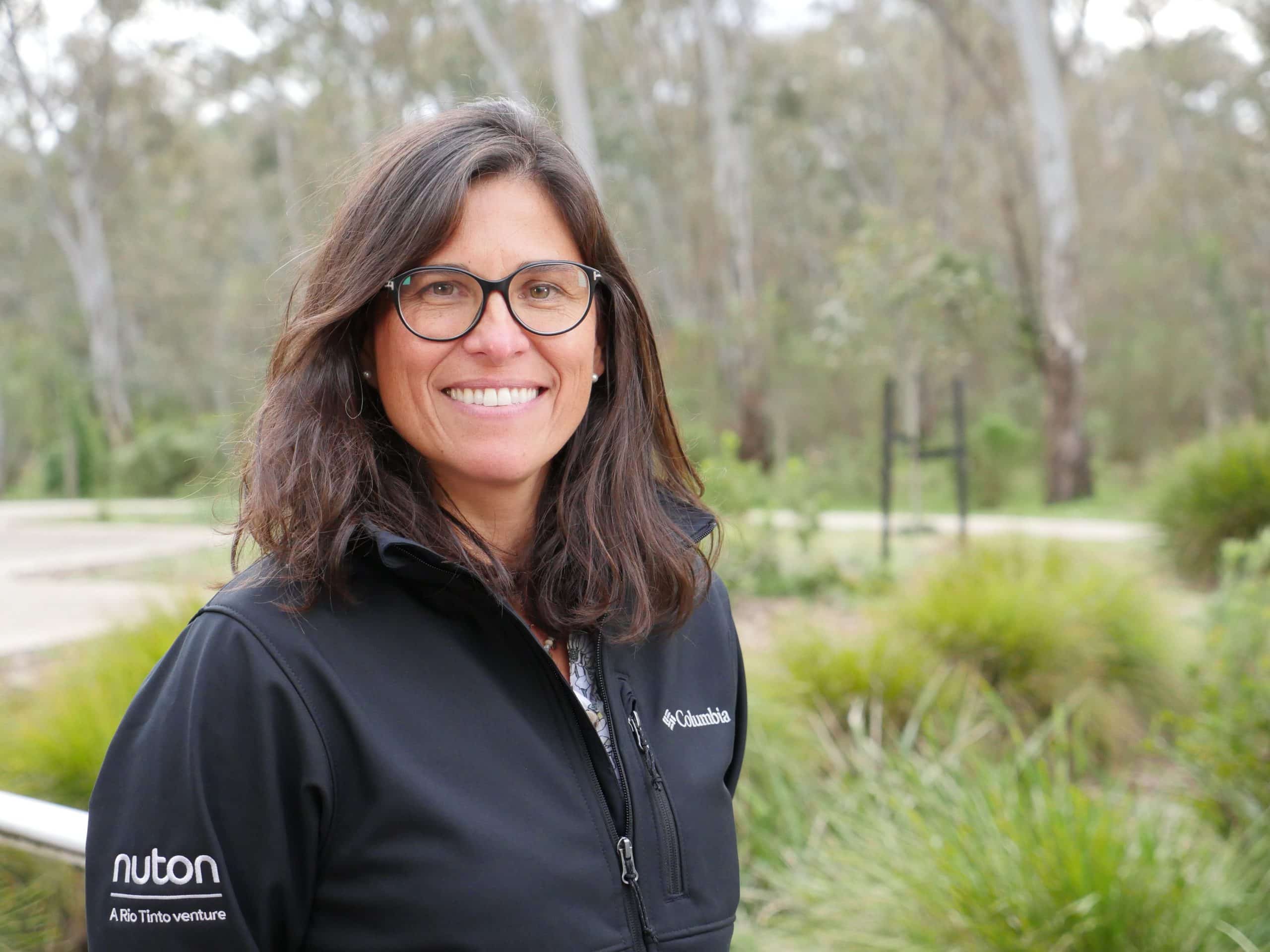
Cecilia Perla
Vice President of Growth & Sustainability, Acting CEO
Meet More Women in Mining at Nuton
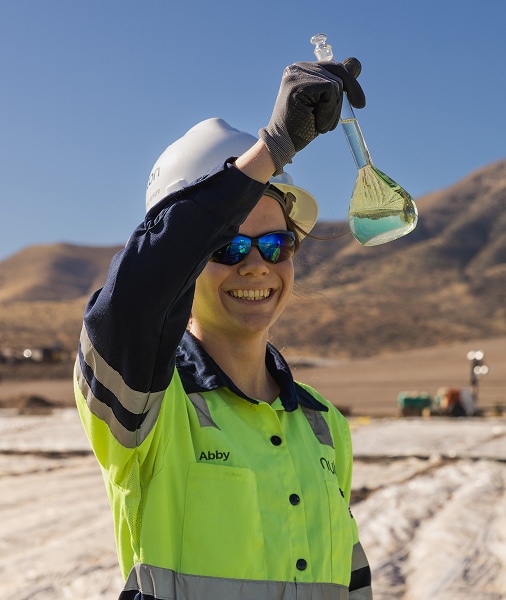
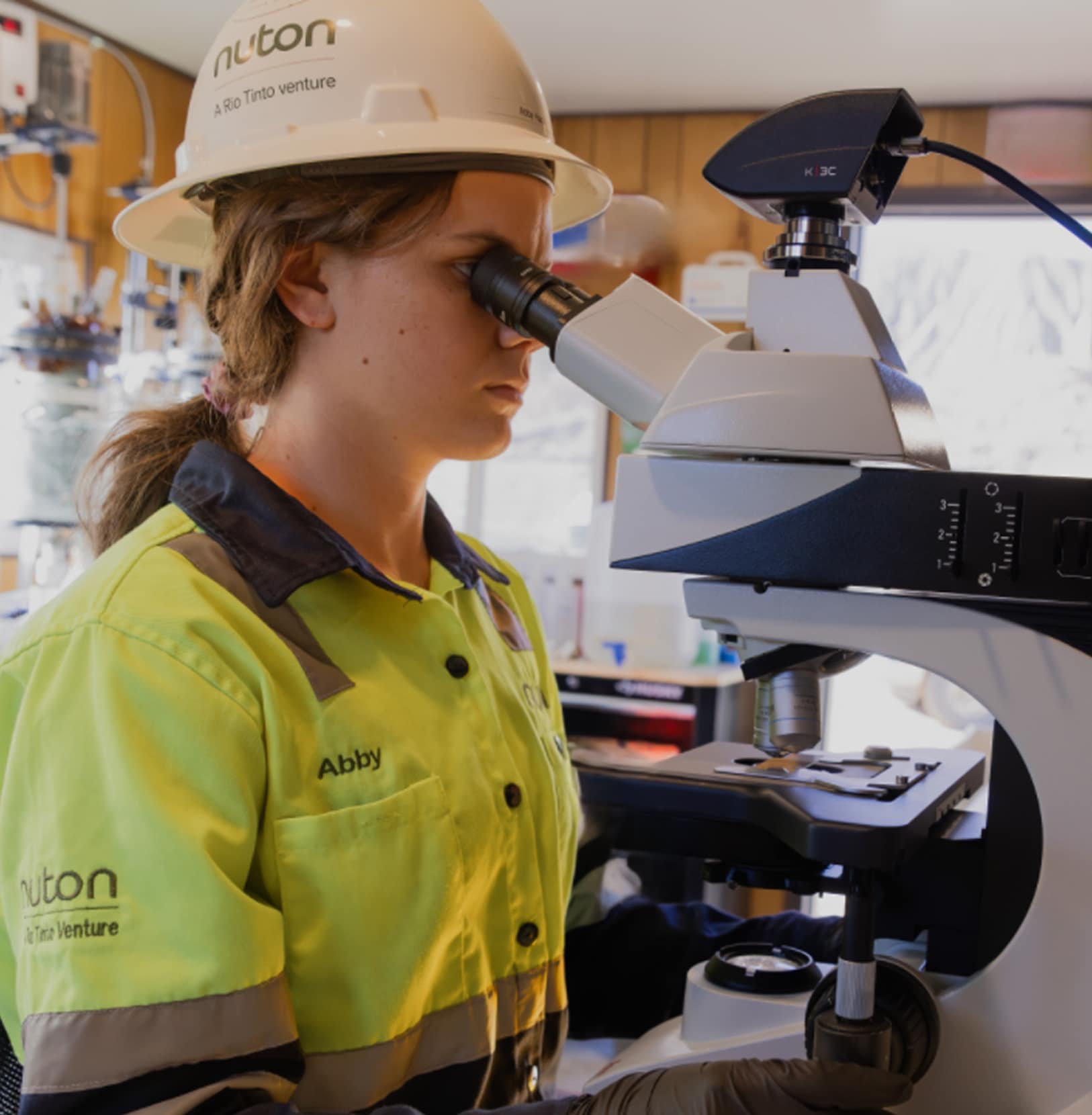
Abigail, Chemical Engineer
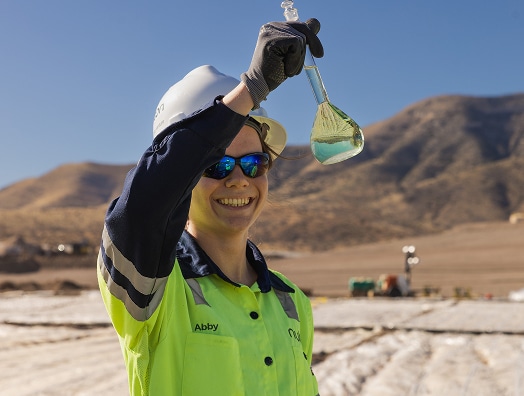
Abigail Haan, a Chemical Engineering graduate from Orange County, California, found her answer during a mining internship last summer. “I loved seeing all of the heavy equipment on site and learning about the variety of chemical processes it takes to go from rocks to pure copper,” she says. That initial spark led her to search for a program that offered breadth and depth, which brought her to Nuton as a chemical engineer to focus on microbial growth, cell counts and reactor maintenance.
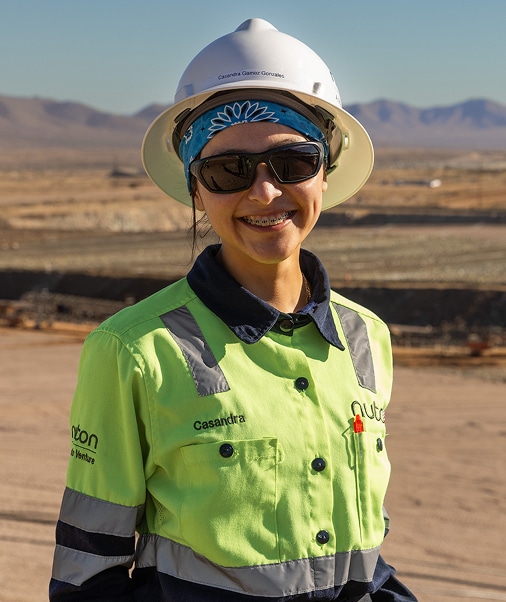
Cassandra, Mining and Geological Engineer
Casandra Gamez Gonzales is a Mining and Geological Engineering graduate born and raised in Phoenix. She discovered her passion for mining during a tour of the San Xavier Research Laboratory. Later, she was inspired by her senior design project, in which she led a team of mining engineers in developing a drill-and-blast pattern for an underground panel caving excavation. This experience ignited a drive to work with a company that values innovation, growth, and culture. Today, she’s a Nuton Mining and Geological Engineer focused on construction oversight.
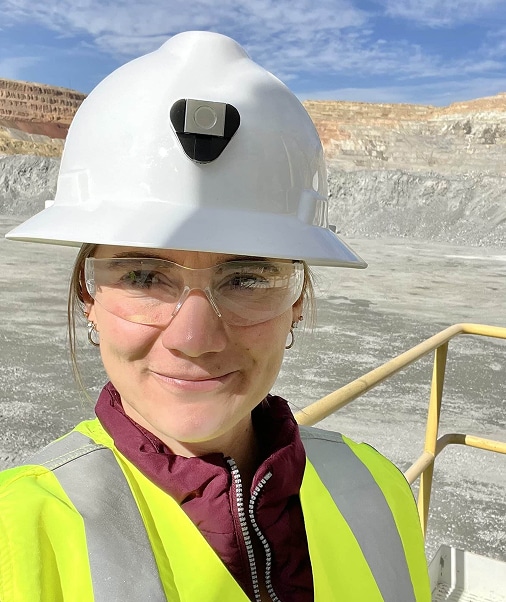
Jeana, Sustainability Advisor
Jeana Ratcliff, who works as a Senior Sustainability Advisor at Nuton, was born to be a scientist. Her message to young females considering a science-related profession? “You don’t have to know everything, and you don’t have to be perfect. Many engineers and scientists, particularly women, struggle with this.”
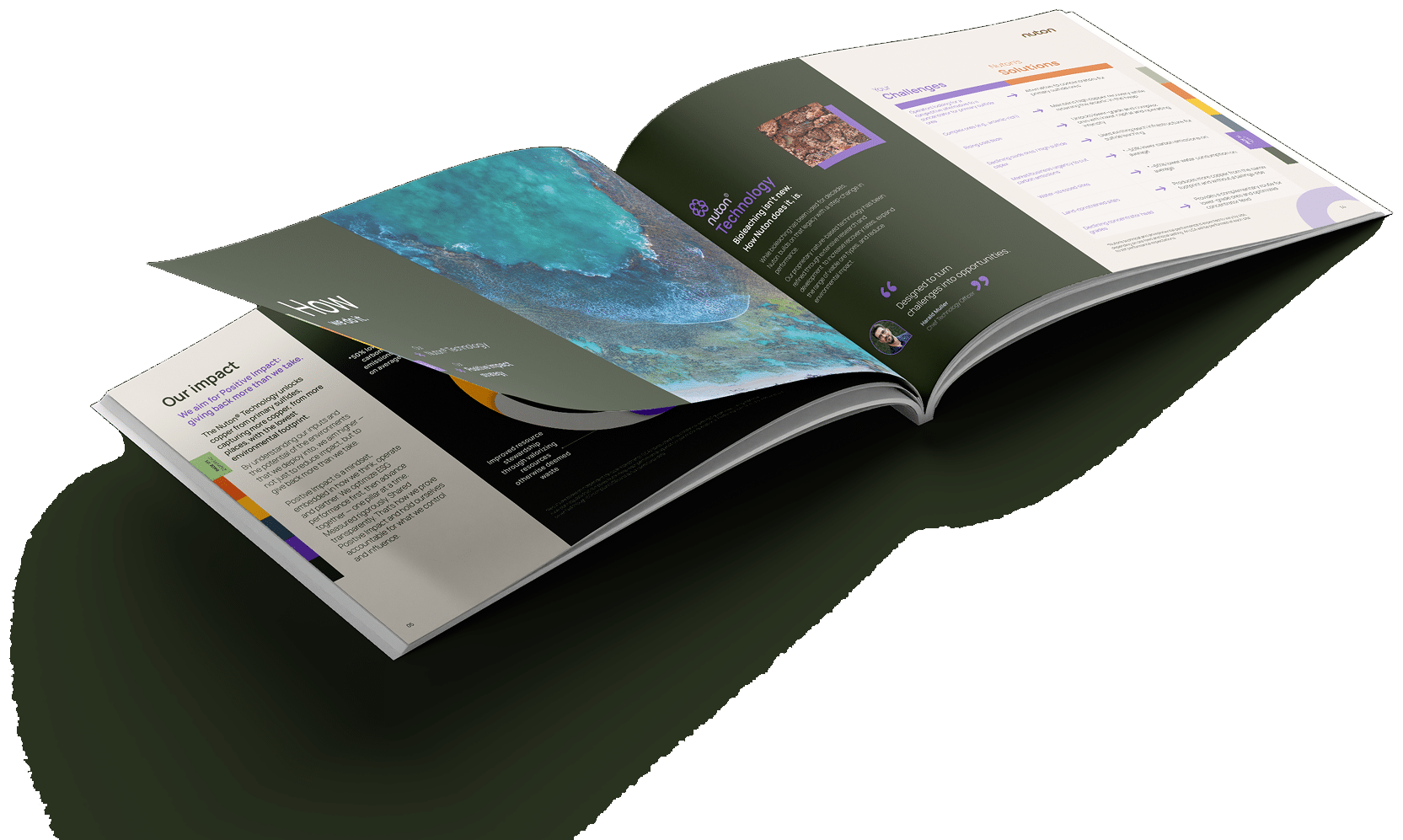
Nuton is revolutionizing copper production. The 2026 “Copper, by Nuton” report reveals an exclusive look at the technical benchmarks and strategic milestones that are setting a new standard for copper production. Access the report to learn how we are leveraging a pioneering technology, a new commercial model and aspirations to produce copper with the lowest environmental footprint in the market.

Nuton plays two key roles: technology provider and investment partner
“Copper, by Nuton” reveals how solid innovation can lead to real-world results. As a technology provider and investment partner, Nuton works collaboratively with mine sites to unlock more copper, faster, with a lower environmental footprint.
The full report highlights the pivotal transition as Nuton evolves from research to industrial-scale operations. At Gunnison Copper Corp.´s Johnson Camp Mine in Arizona, we successfully demonstrated the power of the Nuton® Technology with a 75x scale-up. Today Nuton is engaged in 8 active partnerships across 4 countries with Nuton team members working to launch our award-winning mining venture.
The Nuton difference: bioleaching for more copper and less impact
How exactly does our proprietary bioleaching technology work? How does it leverage the power of naturally occurring bacteria to unlock critical resources? “Copper, by Nuton” details how Nuton has the potential to recover up to 85% of copper from complex ores while significantly reducing water and energy consumption.
Nuton is not a single-ingredient solution. We are a systems integrator. We bring every component together, optimizing our technology for the ore, the site and the partner, to deliver value from ore to impact.
Access the full “Copper, by Nuton” report
Get a behind-the-scenes reveal at our Positive Impact aspirations, operational roadmap, proof-of-concept data and “Positive Impact” pillars. Learn more about how Nuton is turning previously inaccessible materials into the building blocks of a more sustainable economy.
Nuton, a Rio Tinto venture, is redefining what’s possible in sustainable mining. Over the next three years, Nuton has committed to purchasing 134,000 Green-e Energy-certified Renewable Energy Certificates (RECs) generated from US renewables. By combining proprietary bioleaching technology and investment in renewable energy, Nuton is positioning Gunnison Copper Corp.’s Johnson Camp Mine (JCM) to be the lowest-carbon copper producer in the U.S.
“Nuton’s investment further strengthens our ambition to produce the lowest-carbon copper while bringing copper to market faster and more efficiently,” says Nuton Interim Chief Executive Officer Cecilia Perla.
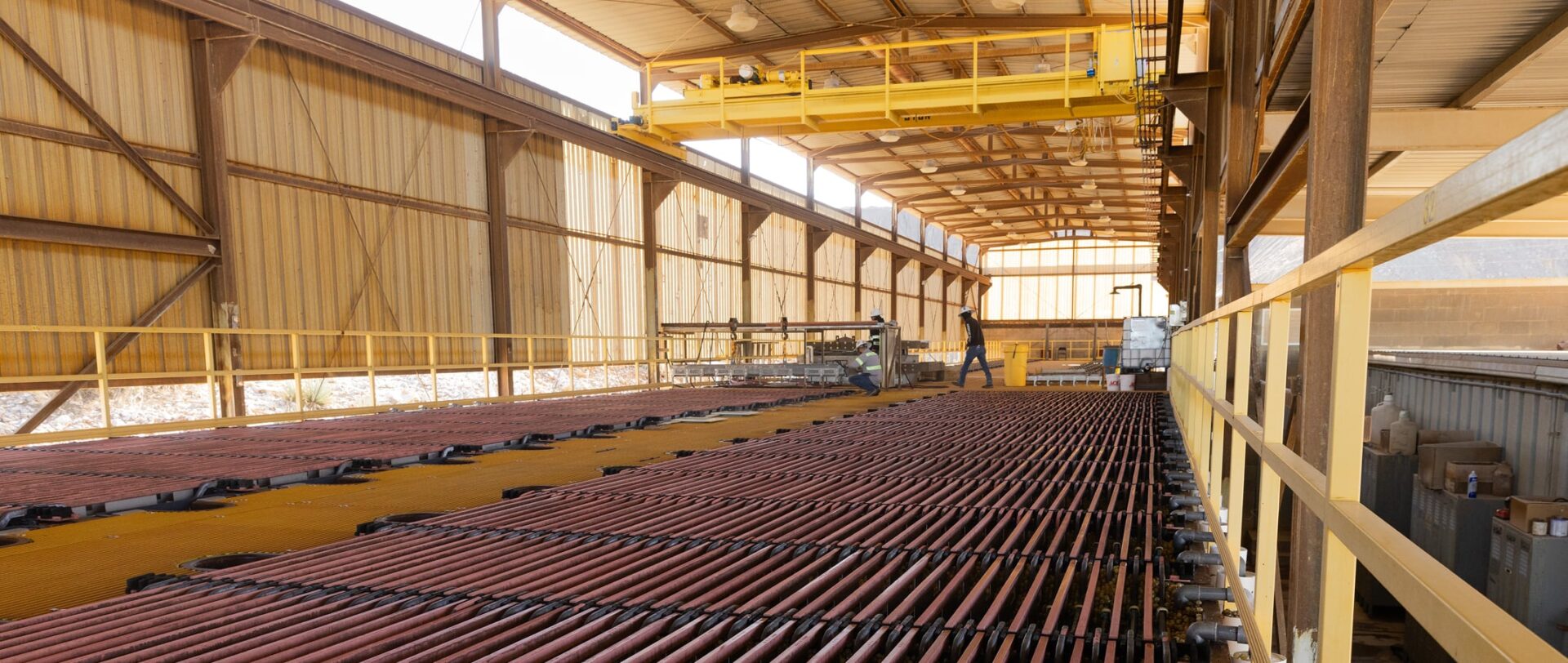
Nuton commits to Renewable Energy Certificates investment
Central to Nuton’s mission is its Positive Impact commitment. This achievement isn’t just a milestone; it is a blueprint for the future of industry – proving that copper production can be smarter, cleaner, and more efficient.
The purchase of these RECs generated from US renewables over the next three years further proves this pledge. These RECs:
- Corresponds to one megawatt-hour of renewable electricity delivered to the grid
- Ensure that 100% of JCM’s electricity consumption is matched by renewable generation
- Mitigate Scope 2 emissions
- Help produce low-carbon intensity copper
A Renewable Energy Certificate is a market-based instrument that represents the legal property right to the renewable attributes of electricity generation. For every megawatt-hour of clean energy produced and sent to the power grid, one REC is created, allowing Nuton to formally track and claim the environmental benefits of its energy use.
“For every megawatt-hour of clean energy produced and sent to the power grid, one REC is created…”

Life Cycle Assessment confirms lower carbon footprint
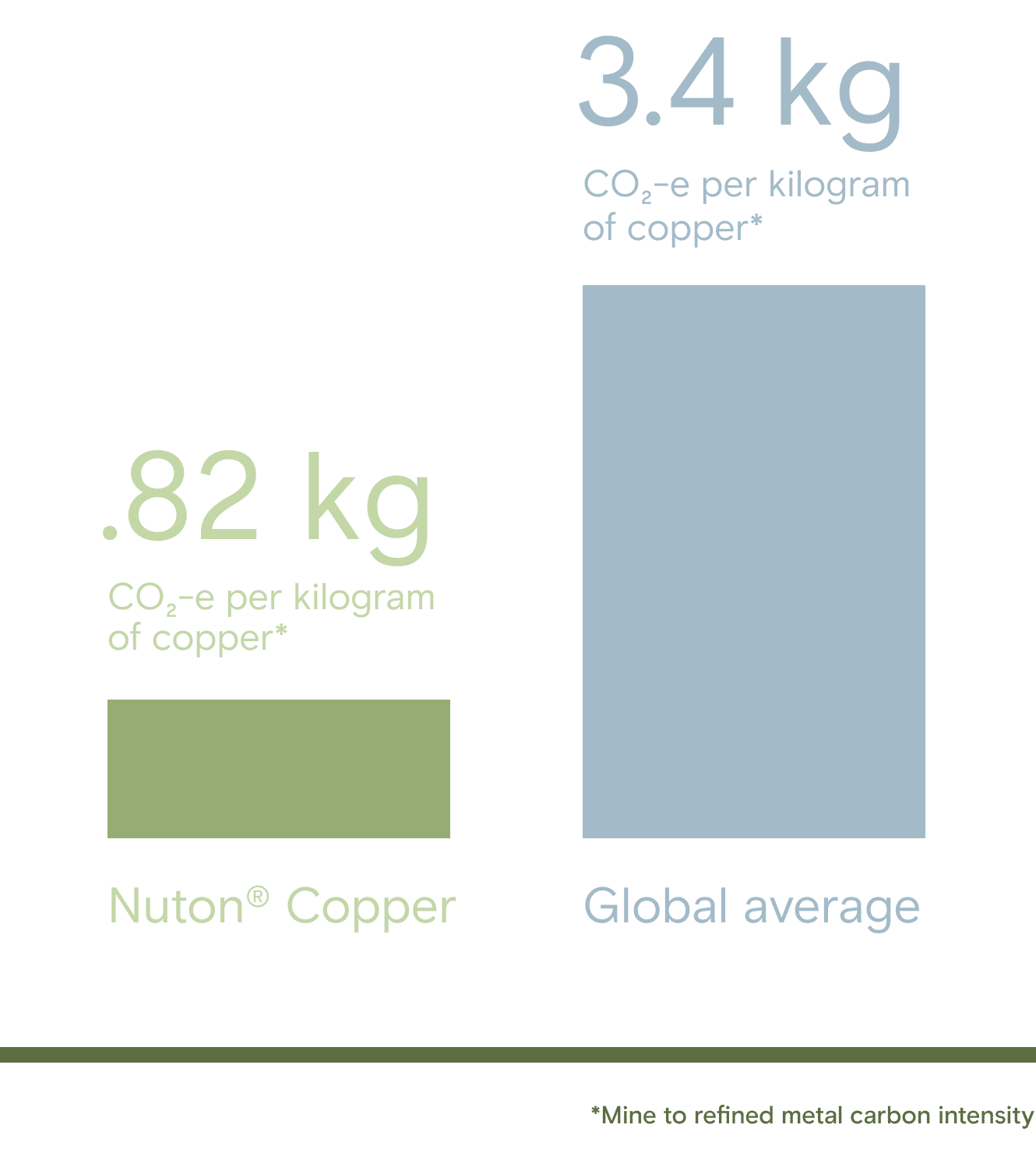
Nuton’s technology is delivering a high-quality product with a significantly reduced environmental footprint, and the results of this integrated approach are industry-leading. A recent ISO-certified Life Cycle Assessment (LCA) confirms that copper produced at Johnson Camp Mine – supported by Nuton technology and RECs investment – is expected to result in a carbon footprint of just 0.82kg CO2-e per kilogram of copper, measured by a “mine-to-refined metal” basis.
To put this in perspective:
- JCM Carbon Footprint: 0.82 kg CO2-e / kg Cu
- Projected 2026 Global Average: 3.4 kg CO2-e / kg Cu1
The LCA also estimates that JCM has a direct water consumption of 71 liters per kilogram of copper, a fraction of the 130 liters per kilogram of copper consumed at the typical copper mine.2
Ultimately, Nuton is proving that through biology, digital innovation, and renewable energy, the transition to a low-carbon economy can be powered by copper that is as responsible as it is essential.
- Skarn Associates Copper Mine GHG and Energy Intensity Curve Generator, November 2025 dataset for the year 2026. The E1 metric includes all GHG emissions from mine to refined metal.
- Water and carbon emissions intensities for Johnson Camp and global averages have been validated by Skarn Associates, a leading provider of carbon and water intensity curves for the industry.
In celebration of International Day of Women and Girls in Science, Nuton proudly recognizes the women driving our innovation forward while inspiring the next generation to explore opportunities in STEM. Meet Abigail and Casandra, two University of Arizona alumnae engineers helping define sustainability at Nuton.
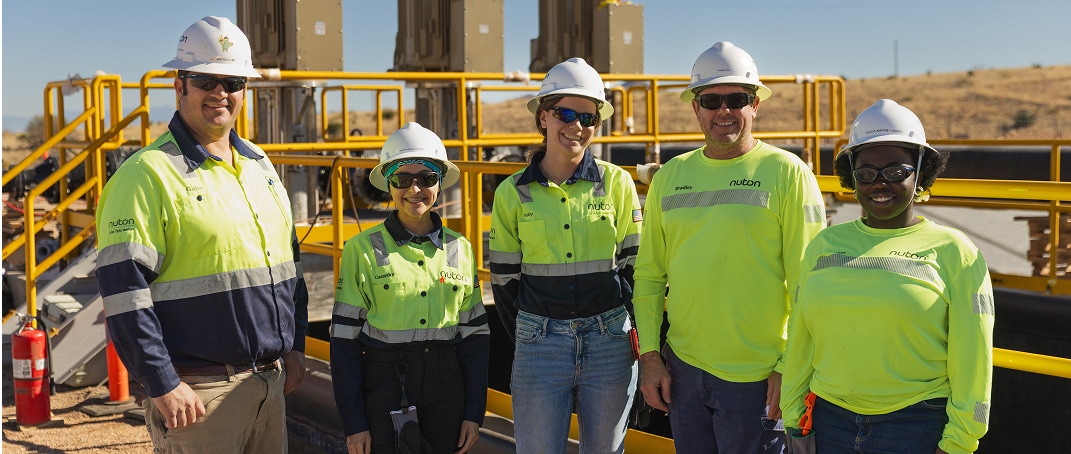
Women in STEM: engineering careers in sustainable mining
Abigail and Casandra are engineers, both hailing from the University of Arizona and both part of the Nuton Graduate Program. Their careers began in the mining industry during a pivotal shift toward green technology. Abigail and Casandra are currently on the ground at Johnson Camp Mine, Nuton’s first industrial-scale deployment, turning the goal of sustainable copper leaching into a daily reality.
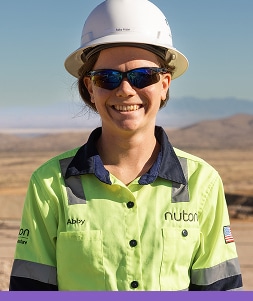
Abigail Haan
Chemical Engineering
Focuses on microbial growth, cell counts and reactor maintenance.
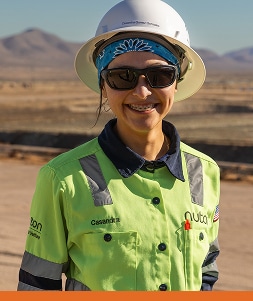
Casandra Gamez Gonzales
Mining & Geological Engineering
Focuses on construction oversight and technical guidance for the Nuton Pad.
Unearthing the world of mining
Both engineers launched their careers with the same fundamental curiosity: What turns a rock into the metal our world depends on?
Abigail, a Chemical Engineering graduate from Orange County, California, found her answer during a mining internship last summer. “I loved seeing all of the heavy equipment on site and learning about the variety of chemical processes it takes to go from rocks to pure copper,” she says. That initial spark led to a career search for a program that offered breadth and depth, which brought her to Nuton.
Casandra is a Mining and Geological Engineering graduate born and raised in Phoenix. She discovered her passion for mining during a tour of the San Xavier Research Laboratory. Later, she was inspired by her senior design project, in which she led mining engineers to develop a drill-and-blast pattern for an underground panel caving excavation. This experience ignited a drive to work with a company that values innovation, growth, and culture.
Why Nuton?
The mining industry has previously been defined by tradition; however, Rio Tinto’s Graduate program offers a fresh perspective, and at Nuton, roles stand out as a departure from traditional mining roles. Abigail and Casandra sought out this rotational structure, allowing early-career engineers to experience a variety of the business’s facets, providing perspective not only on the “how” but also on the “why.”
For Abigail, Nuton was appealing because it offered the opportunity to see the entire ecosystem of an industrial plant.
“It was exactly what I was looking for during my job search: a rotational program to get exposure to a variety of positions within an industrial plant.”
Abigail Haan
Casandra’s path was guided by a desire to align her technical skills with her personal values. Nuton provided that with its innovative goal of sustainability in mining.
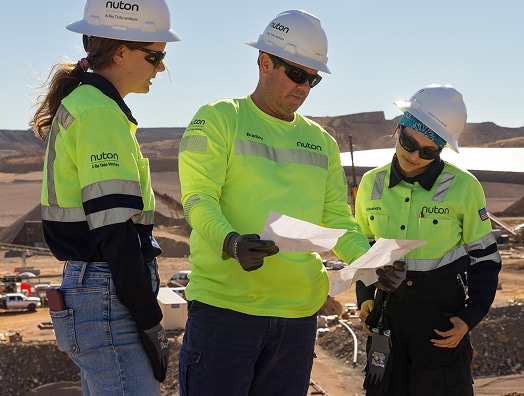
“I wanted to be part of a team that focused on developing safe operational and processing practices to reduce environmental and social impacts.”
Cassandra Gamez Gonzales
“Farming” microbes: A day in the life at Johnson Camp Mine
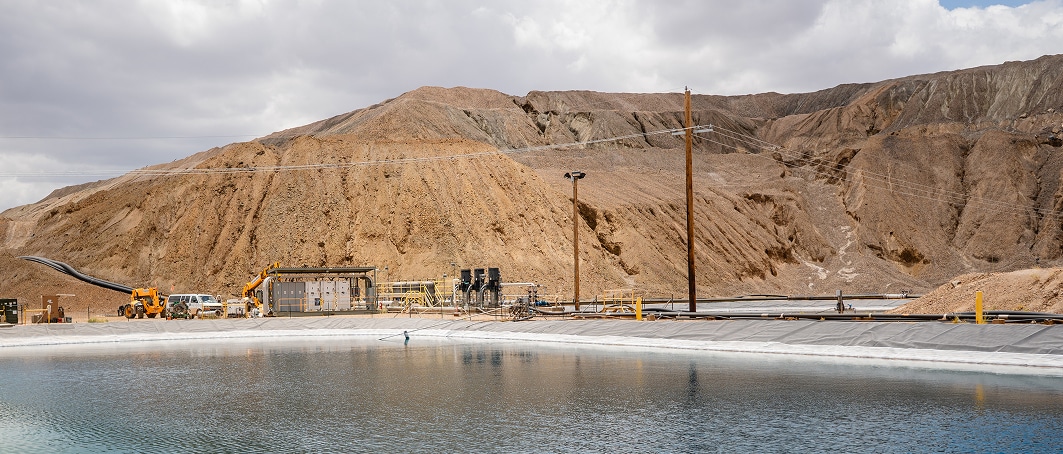
At Nuton’s Johnson Camp Mine, Nuton´s first industrial-scale deployment, high-level engineering meets real-world application. Every day, Abigail and Casandra observe groundbreaking ideas as they work directly with sustainable, state-of-the-art technology.
Abigail’s day-to-day involves maintaining microbial growth. Her core goal is “farming” microbes, regulating metabolic health and growth rates to drive the biomining process. She understands microbes at a cellular level. But it doesn’t stop there. “Outside of that, I try to get in the field as much as possible to understand what different teams are working on and get exposure to other parts of the process.” Learning something new is a crucial part of every day.
Casandra splits her time between two sectors of the mine. Part of her time is dedicated to learning modeling, project benchmarking, and designing equipment improvements. As an engineering project manager, Casandra has cultivated a passion for the process and operations side of Nuton. The rest of her time is invested in that passion, in the field overseeing and providing technical guidance on the construction, engineering, and commissioning of vital plant components.
Challenging the status quo: STEM careers in copper
Abigail and Casandra’s budding careers represent a vital shift in the mining landscape. Their work bridges the gap between classroom theory and industrial-scale application, and these graduates are at the forefront of Nuton’s mission to redefine how the world sources copper. For Casandra, reshaping the mining industry begins with healthy skepticism and a refusal to accept “the way it’s always been” as the gold standard. “Innovation comes from those who question the conventional,” she says, emphasizing that a more sustainable and efficient future is only possible when we dare to disrupt.
Their careers serve as a blueprint for the next generation of talent, creating space for young women and girls to follow in their footsteps and showing that meaningful change often begins with challenging long-standing industry norms.
Mine reclamation is an arduous process, often taking decades to complete. All modern copper mines in the US operate under strict reclamation requirements, varied by location and jurisdiction. Reclamation is often a continuous process that occurs throughout the life of a mine, not just at its closure. The primary objectives are to promote biodiversity conservation, provide social and economic benefits to local communities, and restore the mined areas to a state of environmental sustainability.
The future of mining depends on sustainable operations to ease mine reclamation and improve environmental impact. A recent study concludes that more copper will be mined over the next 32 years than all of previous history. As the global copper industry sits at near-exponential growth, mines must minimize long-term impact on the environment by utilizing sustainable mining operations, such as Nuton’s nature-based bioleach technologies.
Introduction to mine reclamation
What happens to a mine once it closes? Is it left as a barren, abandoned site, or can it be restored to a healthy ecosystem? The answer lies in mine reclamation – a process that breathes new life into former mining sites, restoring them to stable, productive landscapes.
Mining has played a crucial role in economic development for centuries, supplying essential materials for various industries worldwide. However, the environmental impact of mining – such as land excavation and water use – cannot be overlooked. Mine reclamation offers a practical and necessary solution, helping to reduce or even reverse these impacts.
Mine reclamation, also known as land rehabilitation, is the process of restoring a former mine site to an environmentally-sound state. It’s not just about improving the landscape; it goes as far as rehabilitating ecosystems and ensuring long-term environmental stability. By implementing responsible reclamation, the mining industry moves toward a future of minimal impact operations.
By implementing responsible reclamation, the mining industry moves toward a future of minimal impact operations.
How mine reclamation works
Mine reclamation begins long before mining operations begin. Companies, including Rio Tinto and Nuton, develop detailed plans to ensure land rehabilitation includes reshaping the land, treating water bodies to remove contaminants, restoring topsoil, and reintroducing native vegetation.
Modern reclamation goes even further. Efforts include creating wetlands, restoring streams, and repurposing land for community use, such as parks or agriculture. These initiatives not only heal the environment but also provide lasting social and economic benefits.
Regulations and laws: SMCRA
In the United States, mine reclamation is governed by strict regulations. The most significant of these is the Surface Mining Control and Reclamation Act of 1977 (SMCRA), which sets standards for post-mining land restoration. SMCRA requires mining companies to plan for reclamation before operations begin and secure financial bonds to ensure that restoration is completed.
This law has been instrumental in mitigating the environmental impact of mining, particularly in coal operations. Additionally, state-level regulations complement federal laws, ensuring that reclamation efforts are tailored to each site’s specific needs and environmental conditions.
Mine reclamation challenges and innovations
While mine reclamation is essential, it comes with challenges. Restoring native ecosystems is complex, requiring careful planning and long-term monitoring. Issues such as soil erosion, land instability, and habitat loss demand innovative solutions.
Fortunately, advancements in technology make reclamation more effective. Cutting-edge soil stabilization techniques and bioengineering innovations address these challenges head-on. Through ongoing research, industry collaboration, and sustainable mining practices, mine reclamation is becoming more efficient and impactful.
Sustainable mining to support mine reclamation
The future of sustainable mining depends on responsible land rehabilitation.
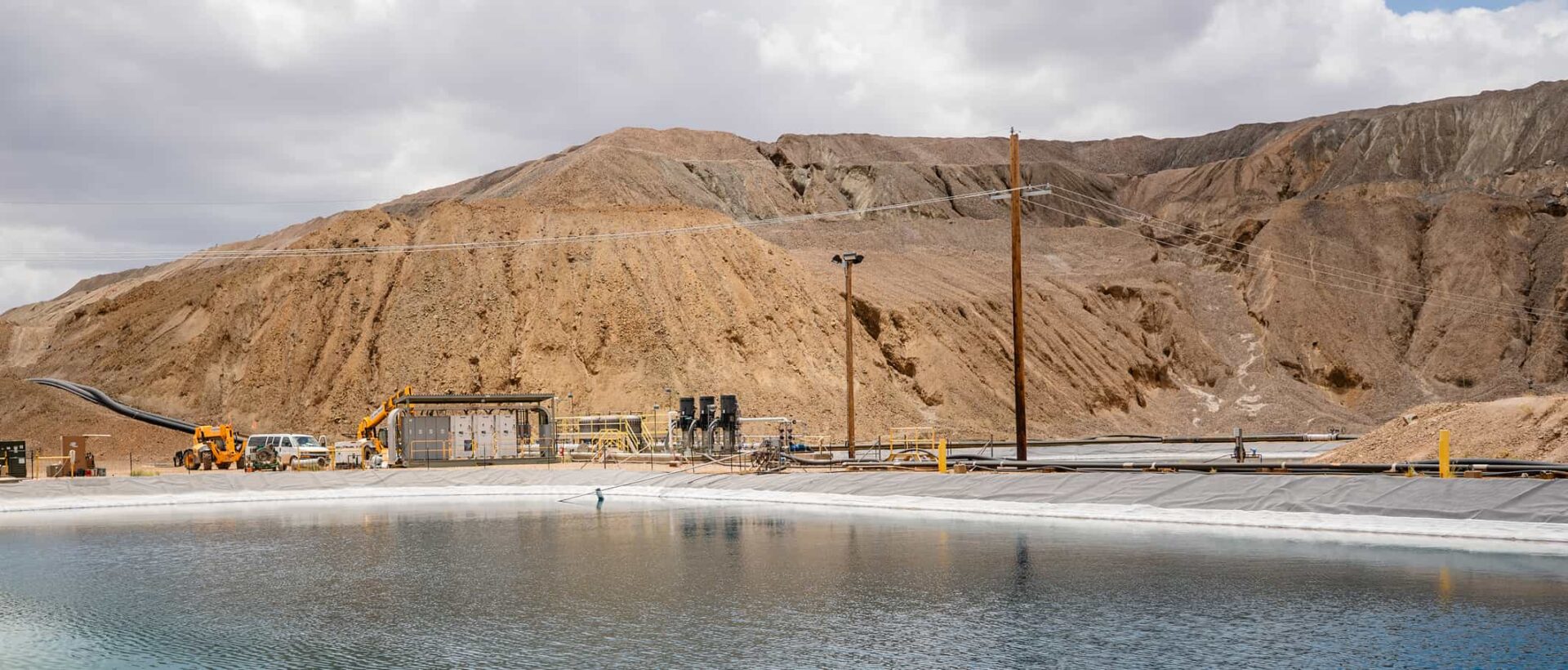
Nuton mining partners benefit from nature-based bioleach technologies to mitigate environmental impact and ease mine reclamation, Nuton’s sustainable mining technology helps process waste materials, accelerate copper leaching, reduce environmental footprint, and eliminate use of concentrators, refineries and smelters.
Copper is everywhere: in the wires that power our homes, the electronics we use daily, and the infrastructure that keeps the world moving. But how do we extract this essential metal in a way that makes sense for both the economy and the environment? Enter heap leaching, a smarter, cleaner, more efficient method of copper extraction that works hand in hand with traditional mining to maximize recovery while minimizing environmental impact. Nuton’s bio-heap leaching technology takes this process even further, using the power of bacteria to extract more copper with less chemicals and less impact on the earth.
Chemical heap leaching: process and downsides
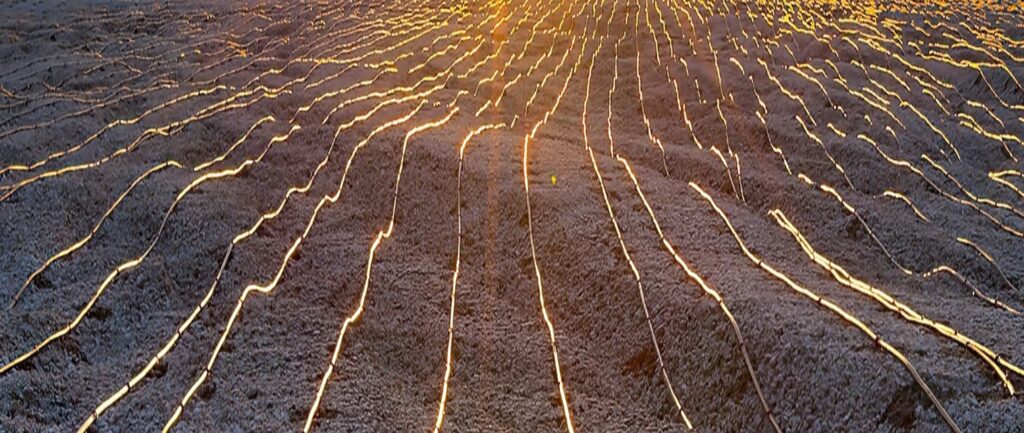
Chemical heap leaching has been around since the 1700s, and has since been widely adopted alongside—or in place of—traditional mining techniques. By trickling a sulfuric acid solution over heaps of crushed ore, miners can extract more copper at lower costs. This method is surface-based and uses impermeable liners to prevent contamination, making it an efficient choice for many operations.
But while chemical heap leaching is effective, it comes with trade-offs. The process relies on strong chemical solutions that must be carefully managed to prevent environmental damage. Plus, producing and handling these chemicals requires energy, adding to the overall footprint of the process. It’s a step in the right direction, but there’s a better way.
Bio-heap leaching: a superior and sustainable solution
What if we could harness nature to do the heavy lifting? That’s exactly what Nuton’s bio-heap leaching technology does. Instead of relying on harsh chemicals, it uses microorganisms—tiny but mighty—to break down copper minerals more efficiently. This not only reduces the risk of contamination but also cuts down on energy use, making it a cleaner, smarter approach.
And the benefits don’t stop there. Bio-heap leaching can recover up to 85% of copper from ores, which means more copper from the same volume of material. This process helps in reducing waste and making operations more cost-effective. It’s also incredibly versatile, working on challenging sites, including brownfield and legacy mining areas, where traditional methods struggle.
“Bio-heap leaching can recover up to 85% of copper from ores, which means more copper from the same volume of material. This process helps in reducing waste and making operations more cost-effective.”

Paving the way in sustainable copper leaching
As the world’s demand for copper grows, so does the need for more sustainable ways to extract it. Nuton’s bio-heap leaching technology leads the charge, turning mining into a cleaner, more efficient process. While chemical heap leaching offers advantages, bio-heap leaching enhances them by improving recovery rates and slashing environmental impact.
Innovative leaching methods like these are paving the way for a future where mining and sustainability go hand in hand. And that’s good news for everyone.
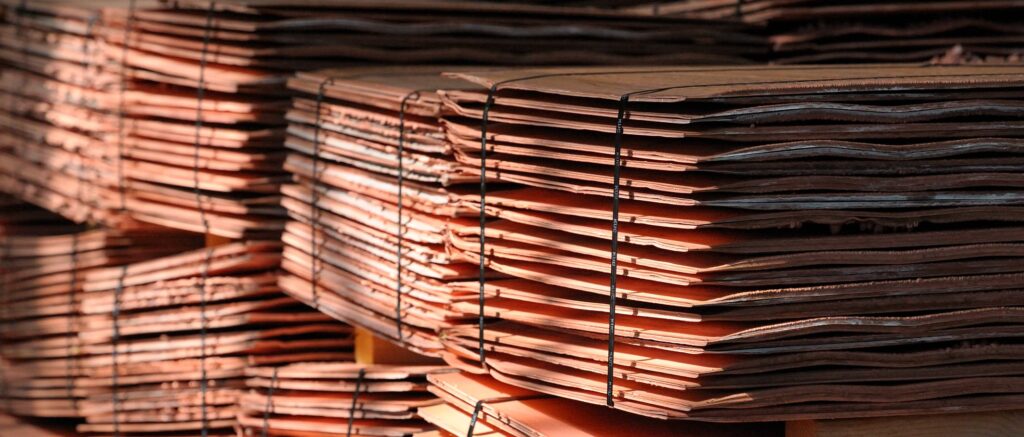
Nuton’s first copper milestone marks a new era of smarter, cleaner, copper production
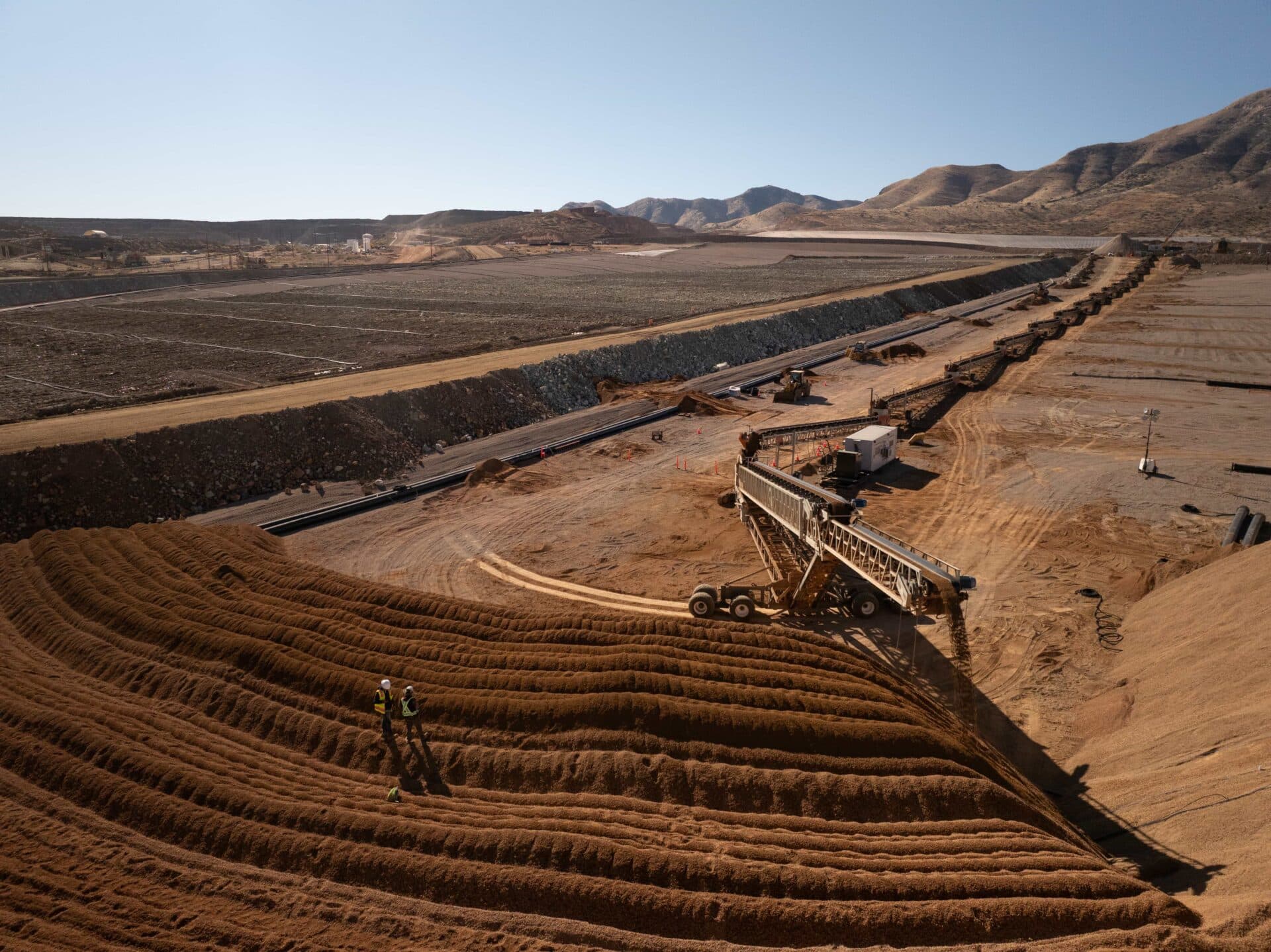
After decades of research and innovation, Nuton has achieved a major milestone: producing its first copper cathode using its industry-leading bioleaching technology at Johnson Camp Mine (JCM) in Arizona.
What began in a small lab in Bundoora, Australia, has scaled to full industrial operations – proving that cleaner, smarter copper production is possible at industrial scale.
“This is a pivotal moment for Nuton,” says Adam Burley, Nuton CEO. “We’re not just advancing technology – we’re setting a new standard for the industry and proving what’s possible: fast and at scale. We are incredibly proud of the team and excited for what is to come, which is validating and sustaining the technology’s performance.”
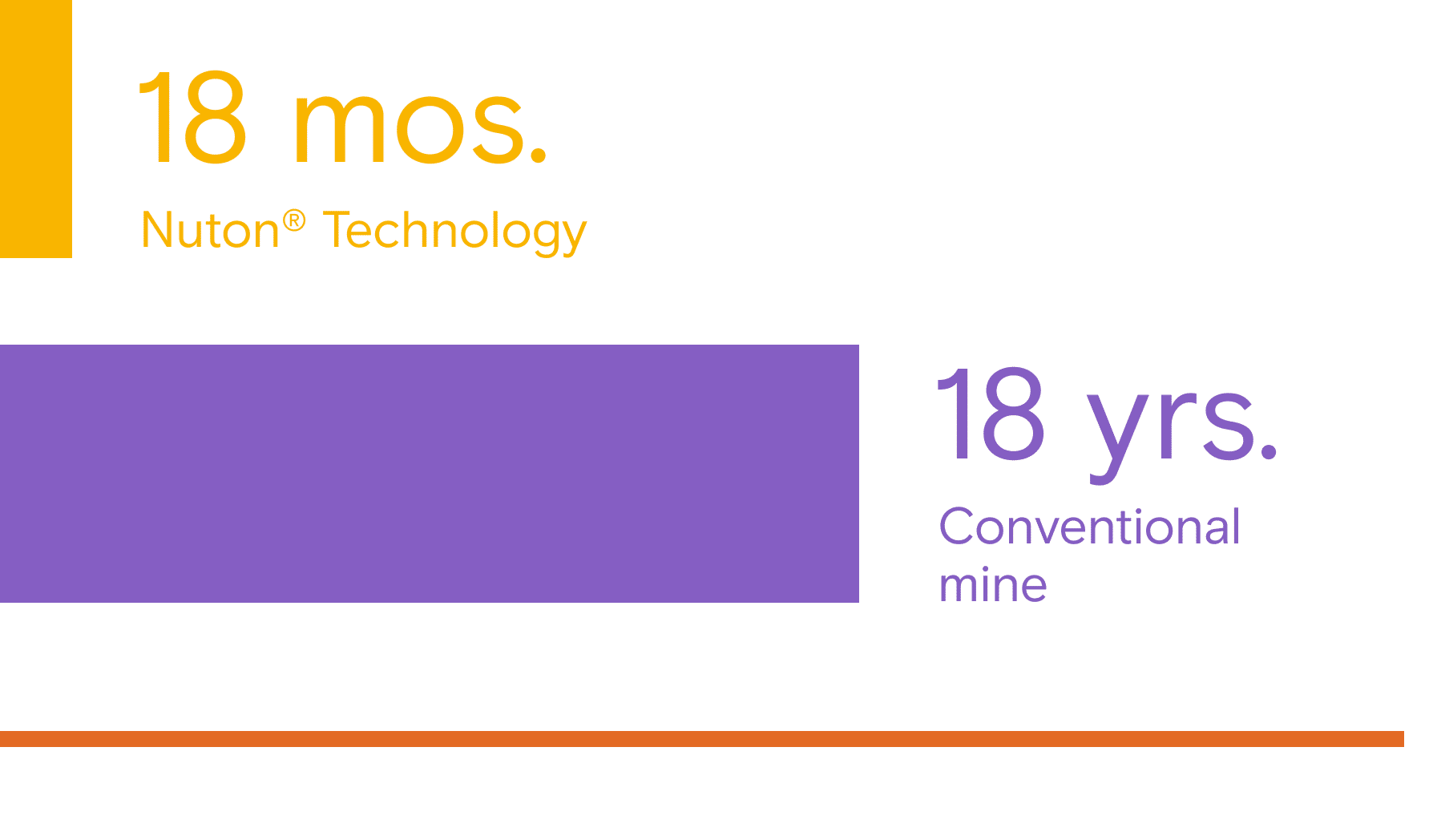
This milestone marks Nuton’s official entry into commercial operations and is a pivotal step in redefining how copper is produced. The Nuton® technology enabled the restart of JCM, owned by Gunnison Copper Corp, and moved from concept to cathode in just 18 months.
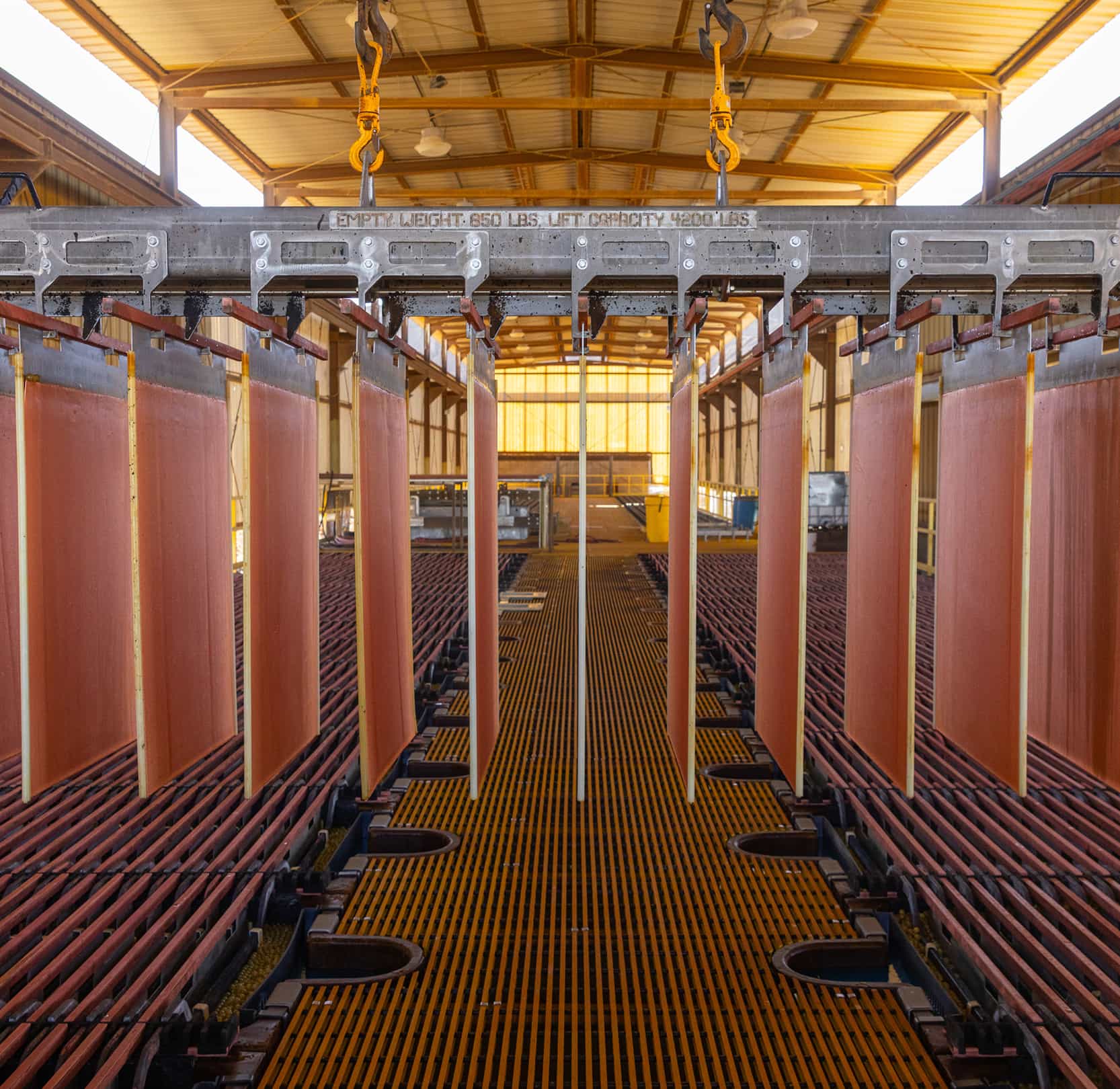
Go inside Nuton’s first copper
Watch how this milestone mine-to-market technology is reshaping the copper industry.
Rapid scale-up: concept to cathode in 18 months
One of the most significant aspects of Nuton’s achievement is the speed of its progress – from concept to cathode in just 18 months – an unprecedented speed in Rio Tinto. This included recommissioning the mine, constructing new infrastructure, and deploying proprietary equipment.
Nuton’s approach is different from the norm – offering a modular ‘brick-like’ system that can be deployed as part of a technology package that integrates biology with chemistry, engineering, and digital tools. By embedding advanced systems like AI, data analytics, and adaptive process controls into every layer of the JCM operations, Nuton is building a truly intelligent, responsive system. This digital backbone enables predictive insights and continuous improvement, making the system not only efficient but intelligent.
Pioneering the science of smarter copper: up to 85% recovery and unlocking copper faster
At the heart of this achievement is Nuton’s revolutionary technology, which harnesses the power of naturally occurring bacteria to extract copper from ores. These microbes are grown in Nuton’s proprietary bioreactors and then added to heaps of crushed ore. They speed up the breakdown of minerals, creating heat and allowing copper to dissolve into a liquid solution, which is then refined into copper cathodes that are 99.99% pure.
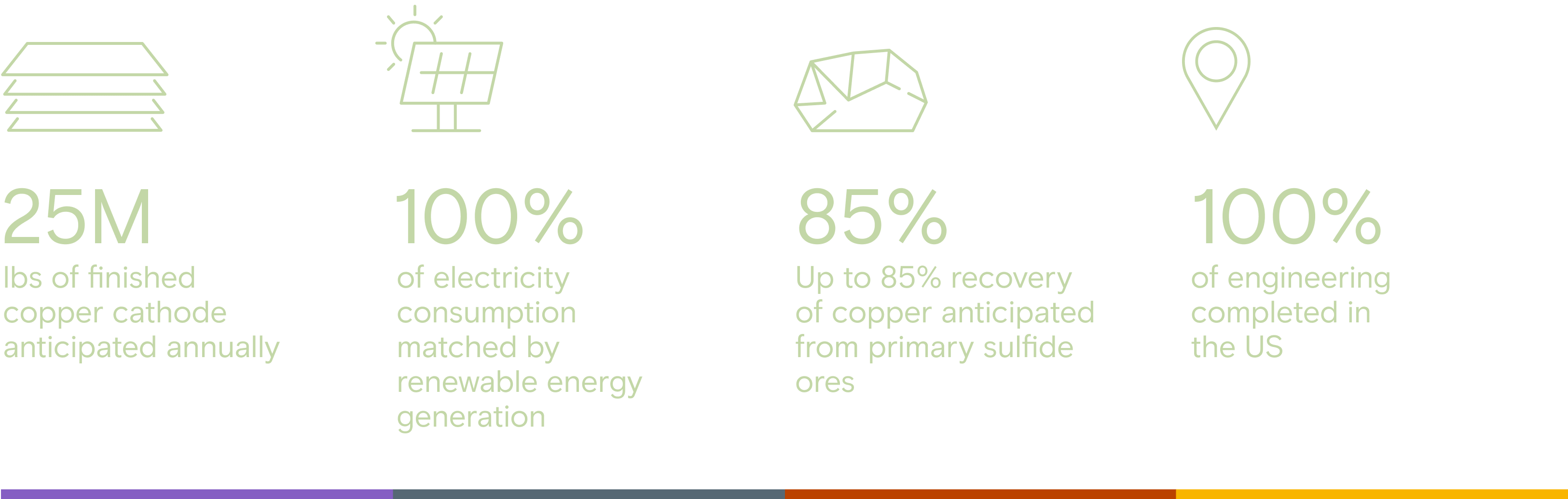
And a key differentiator? Up to 85% recovery of copper from primary sulfide ores – often considered too complex or uneconomical to process – where over 70% of the world’s untapped copper lies.

Transforming the copper industry with the lowest-carbon copper in the US
Nuton’s technology, along with investment in renewable technology, will position JCM to become the lowest-carbon copper producer among US copper mines.
A new three-year investment in Renewable Energy Certificates ensures that 100% of JCM’s electricity consumption is matched by U.S. or Canadian renewable energy generation, mitigating all Scope 2 emissions.
A recent ISO-certified Life Cycle Assessment (LCA) prepared for JCM indicates copper produced at site, combined with the purchase of RECs, will result in a mine-to-metal carbon footprint of just 0.82kg CO2-e per kilogram of copper, compared to the projected 2026 global of 3.4 kg CO2-e per kilogram of copper.
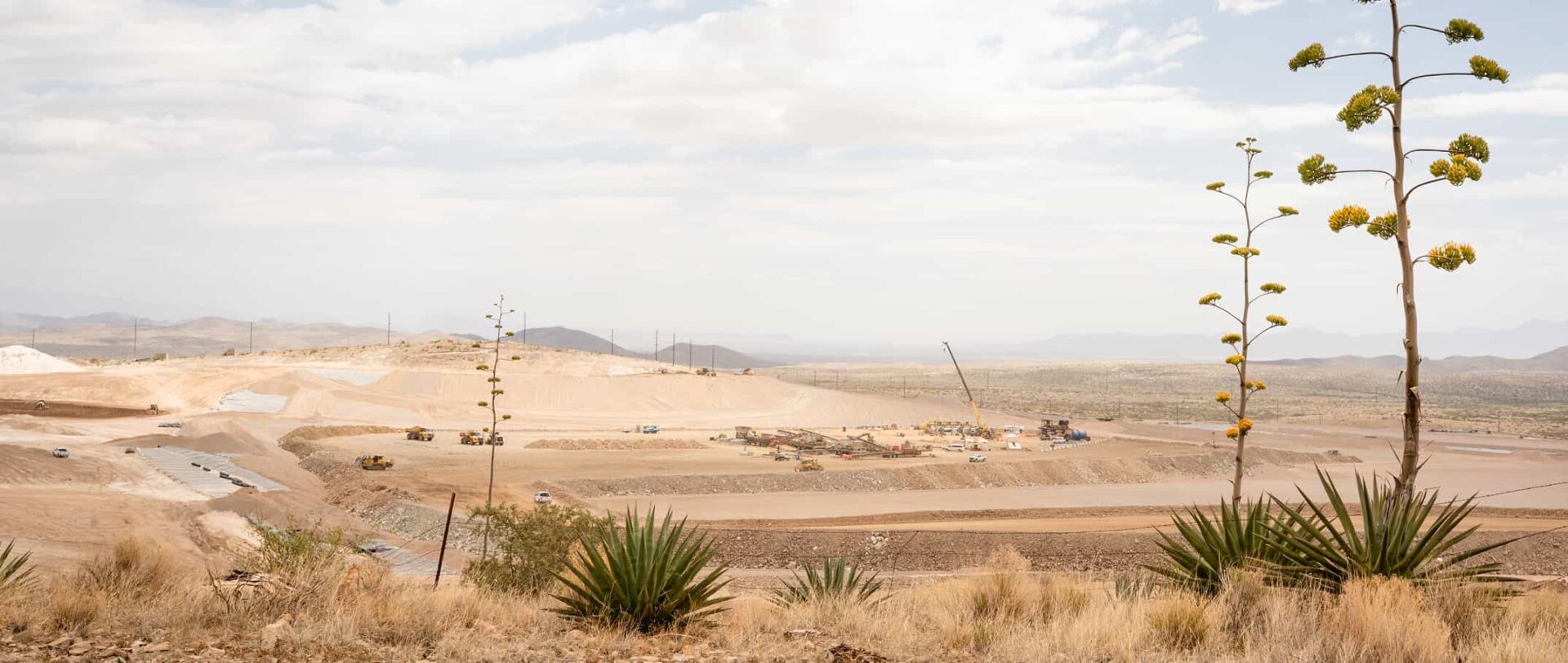
Centennial plant (Agave Americana) at JCM
First copper by the numbers
The big picture: closing the US copper supply gap
This milestone will help enable a more resilient domestic copper supply chain – critical for the world’s energy transition, national defense, and advanced manufacturing. With US copper demand projected to grow more than 48% over the next decade, and approximately half of refined copper currently being imported, the Nuton technology provides a pathway to help close the domestic supply gap.
By producing the copper cathode at the mine site, the Nuton process eliminates the need for smelting and refining elsewhere – a major advantage as the US lacks capacity for refining copper. Nuton’s process streamlines the journey from mine to market, reducing the reliance on foreign processing and shortening the supply chain.
The project has already resulted in the sale of approximately 100 tons of copper cathode to North American customers, generating Nuton’s first revenue. The Johnson Camp operation is designed to ramp up toward its capacity of 25 million pounds of finished copper cathode annually.

This is just the beginning: validating long-term performance
Nuton’s technology is rapidly scaling, with 11 partnerships across five countries. The next phase at JCM focuses on a critical journey of validating long-term technical performance backed by sustained production.